


-
Introduction
If you’ve ever stared at a blinking cursor wondering how to coax better results from ChatGPT, you’ve already felt the pain AIPRM tries to solve. AIPRM is a prompt library layered onto the ChatGPT interface that turns expert prompt engineering into one-click templates for SEO, marketing, coding, analysis, and more. The promise: fewer blank screens, faster drafts, and more consistent outputs.
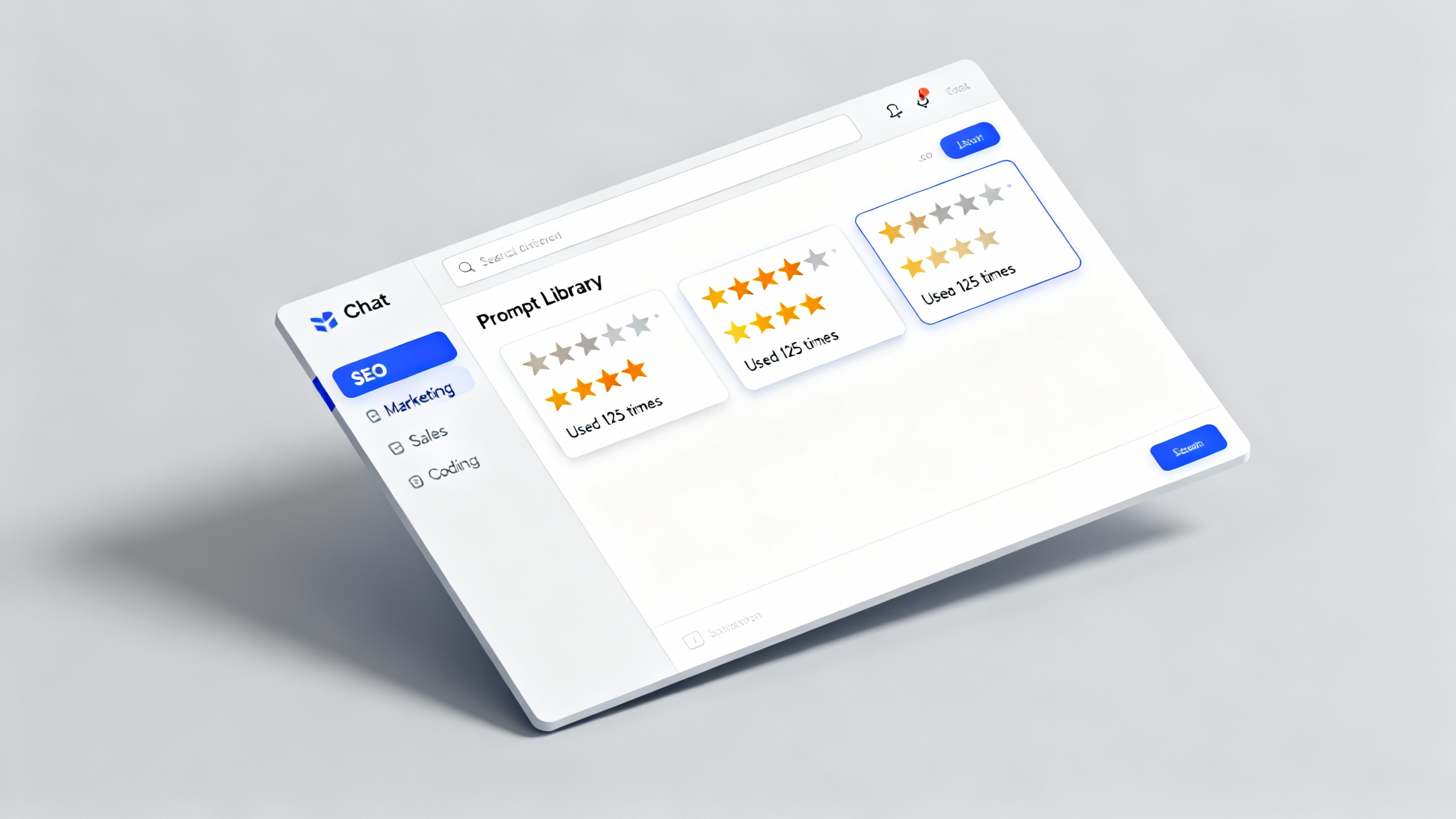
The question we set out to answer: Is AIPRM actually the best way to get high‑quality prompts—and is it worth paying for?
-
Overview
AIPRM works primarily as a browser extension that augments ChatGPT’s UI, adding a searchable, filterable library of prompt templates curated by experts and the community. You can browse by category (e.g., SEO, Marketing, Sales, Operations, Coding), apply tone/style presets, save your favorites, and inject variables (like “brand voice” or “target persona”) before generating output.
Key features we tested:
- Curated templates: Community‑contributed prompts with ratings and usage stats, plus “featured” collections from recognized creators. AIPRM
- Variables and forms: Fill inputs (e.g., product name, audience, format) to tailor the prompt.
- Private/team lists: Save your own prompts; collaborate with teammates on shared libraries.
- Search and filtering: Find prompts by task type, tags, recency, or popularity.
- Support for multiple models: Works with ChatGPT; some prompts are adapted for newer models.
AIPRM isn’t the only game in town. Community hubs like FlowGPT and marketplaces like PromptBase also offer high‑quality prompts—some free, some paid. We’ll compare them shortly.
TipSkip the generic, embrace variables
Great prompts are specific. Templates that require you to fill in target persona, constraints, examples, and success criteria consistently outperform generic “do X” prompts. Use variables and include a short example of what “good” looks like.
-
Pros
-
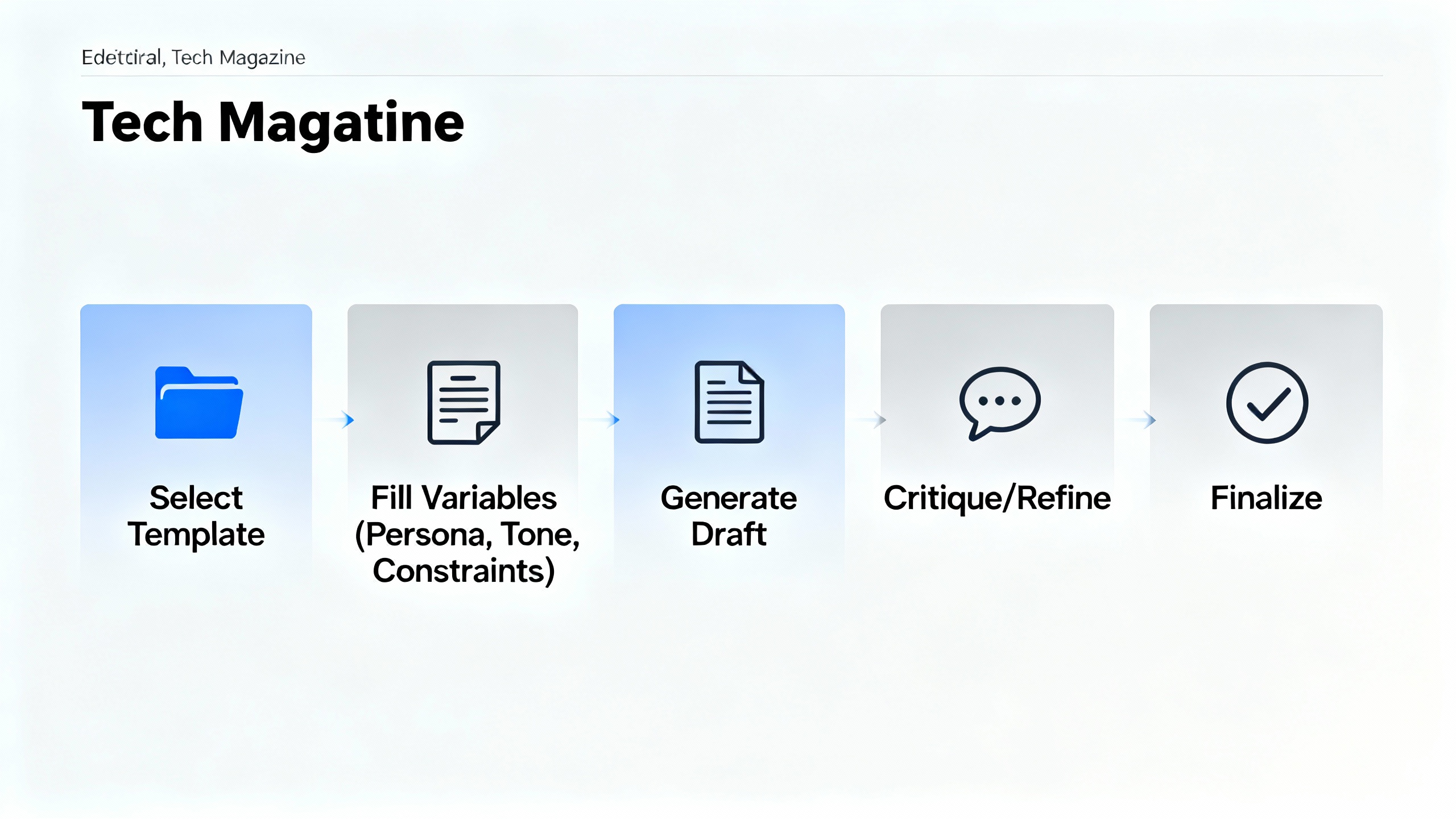
Real productivity gains for common tasks. For repetitive, structured work—think SEO briefs, product descriptions, social posts, marketing emails—AIPRM’s curated prompts can cut time dramatically by standardizing inputs and outputs. The best templates prompt for constraints, voice, examples, and critique/refinement loops.
-
Curation reduces trial‑and‑error. Quality varies in any community library, but AIPRM’s ratings, download counts, and editorial picks lift the best to the top. If you’re new to prompt engineering, starting from proven templates saves a lot of tinkering.
-
Built‑in prompt forms encourage best practices. Prompts with fields (persona, tone, format, constraints, references) naturally nudge users toward better context. This mirrors advice from OpenAI’s prompt engineering guide and Anthropic’s prompting principles.
-
Good for teams and standardization. Shared prompt libraries turn “tribal knowledge” into process. If your team needs consistency—brand tone, structure, compliance—AIPRM’s lists and private templates are genuinely helpful.
-
You can learn by reverse‑engineering. Even if you don’t keep using templates forever, studying top prompts teaches you to structure tasks (role, goal, constraints, examples, steps, checks) so you can design your own.
-
Cons
-
Quality still varies—and can skew toward marketing. The strongest categories are SEO/marketing. Technical, research, and analytics prompts exist but are less consistently great. You’ll still need to evaluate and adapt.
-
Model drift and prompt brittleness. A template that worked perfectly last month may over‑ or under‑perform after a model update. Good libraries update often; some community prompts don’t.
-
Privacy and IP concerns. Any shared prompt can leak proprietary process or voice if you’re not careful. And using templates that upload examples or data into the chat carries risk. Always sanitize inputs and keep sensitive data out of prompts.
- Paywalls for premium features. Free is fine for exploration, but advanced filtering, team libraries, and certain curated sets are gated. If you only need a handful of prompts, free alternatives may suffice.
-
Alternatives at a Glance
Prompt libraries compared
| Tool | Best for | Strengths | Limitations |
|---|---|---|---|
| AIPRM | Marketers, small teams, standardization | In‑UI forms, community ratings, team libraries | Quality variance, premium upsells |
| FlowGPT | Broad discovery across tasks | Large, active community; fast trending prompts | Signal‑to‑noise varies; less process focus |
| PromptBase | Pre‑made, niche prompts | Paid, specialized prompts; creator accountability | Cost per prompt; quality still varies |
If you’re building repeatable workflows, AIPRM’s structure is an advantage. If you love browsing and experimenting, FlowGPT’s breadth is fun. If you want a single, polished prompt for a niche task, PromptBase can be efficient.
-
Who Will Love It (and Who Won’t)
- Great fit: Content marketers, growth teams, indie creators, agencies, and ops teams who need consistent outputs at scale. If you create a lot of briefs, emails, ads, scripts, or summaries, a curated library pays off quickly.
- Maybe not: Researchers, engineers, or analysts who need transparent reasoning, code correctness, or access to proprietary data. You might prefer building internal prompt chains, retrieval‑augmented setups, or fine‑tuned assistants instead of generic templates.
-
Verdict
AIPRM delivers on its core promise: faster, more consistent outputs for common tasks, especially in SEO and marketing. The curation, variable inputs, and team features make it more than a random prompt list—it’s a practical layer of process on top of ChatGPT.
It’s not magic, and it won’t fix unclear goals or poor inputs. You’ll still need to review outputs, adapt templates to your domain, and keep an eye on privacy. But if you spend meaningful time prompting for repeatable tasks, AIPRM is easy to recommend.
- Rating: 4.2/5 for marketers and content teams; 3.7/5 for technical users.
- Buy if: You value speed, consistency, and shared standards.
- Skip if: You need deep customization, private data workflows, or purely technical prompts.
For a solid foundation, pair AIPRM with best‑practice guides from OpenAI and Anthropic, and layer your own variables and examples. That combination consistently outperforms “one‑size‑fits‑all” prompts.