

The short version
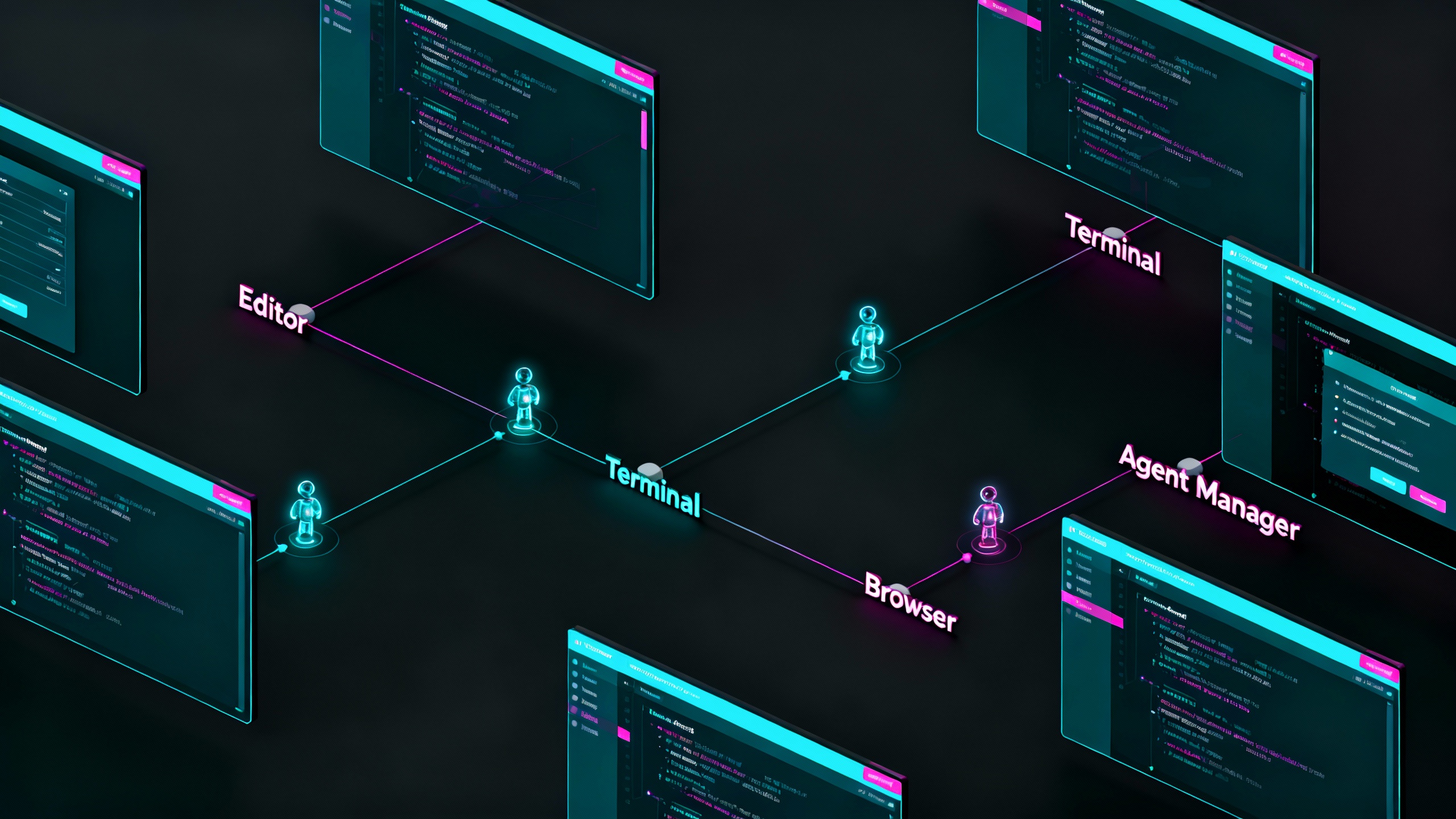
Google unveiled Gemini 3 on November 18, 2025 and, for the first time, put a brand‑new model into Google Search on day one. Alongside it, the company shipped Antigravity, an agent‑first IDE where multiple AI agents can plan, code, test and verify work across an editor, terminal and browser. The Gemini app also gains a new “Gemini Agent” for multi‑step tasks.
What Google just shipped
- Gemini 3 Pro (the first in the Gemini 3 family) is available today in the Gemini app, AI Studio, Vertex AI, and the API; a higher‑deliberation “Deep Think” mode is coming to Ultra subscribers after additional safety reviews.
- Search gets Gemini 3 in AI Mode on day one, with dynamic, generative UIs that can create interactive tools or simulations on the fly. Availability starts with Google AI Pro and Ultra subscribers in the U.S.
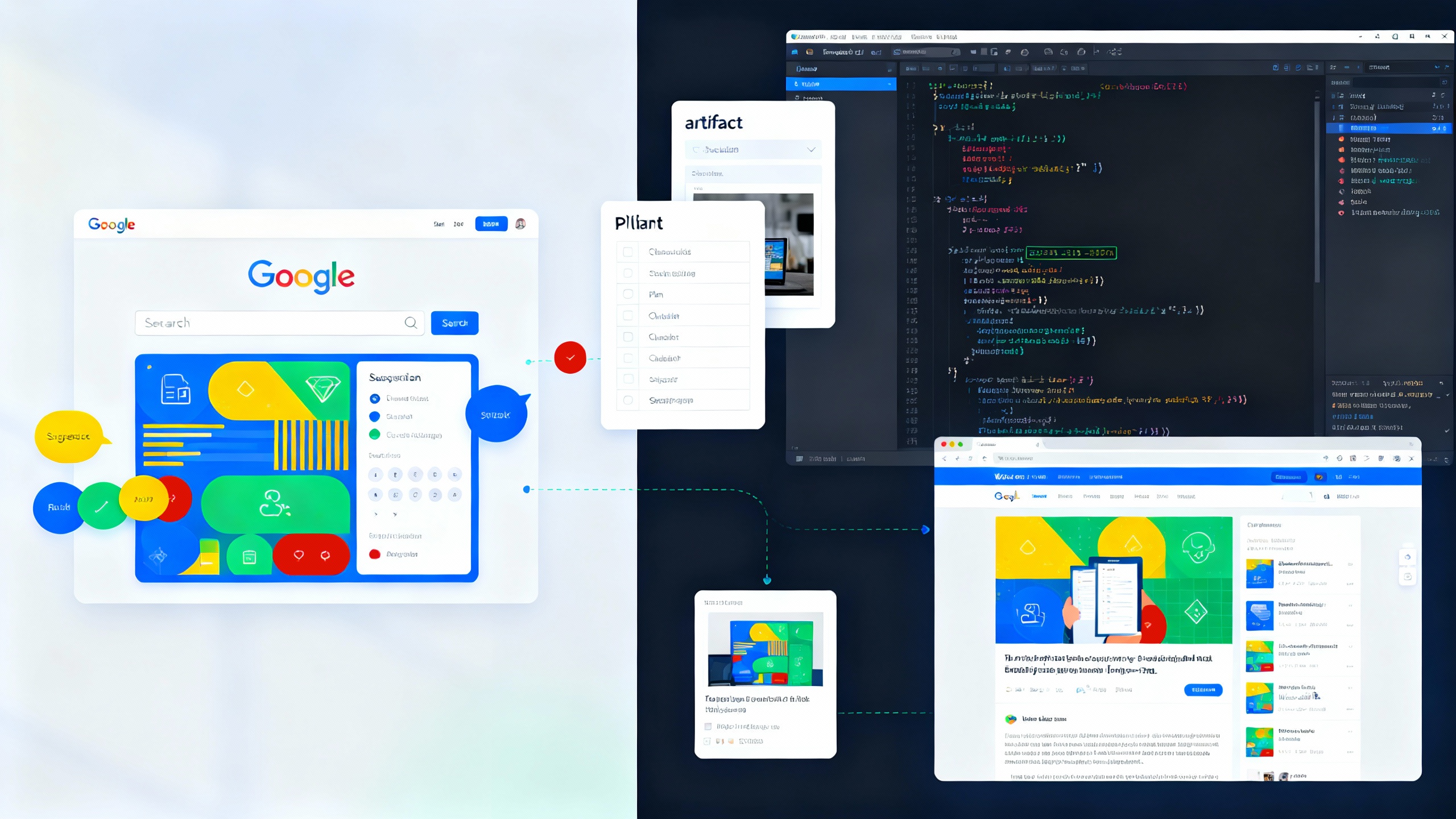
- Google launched Antigravity, a new agent‑first IDE in public preview for macOS, Windows and Linux. It elevates agents to a dedicated surface, gives them direct access to editor/terminal/browser, and is free during preview with generous rate limits.
- Pricing for developers: Gemini 3 Pro is listed in preview at $2 per million input tokens and $12 per million output tokens via the Gemini API, with a free tier in AI Studio.
Gemini 3: where the gains show up
Google frames Gemini 3 as its “most intelligent” model to date, emphasizing state‑of‑the‑art reasoning, improved multimodal understanding (text, image, video, audio, code), and stronger tool use. On company‑reported numbers, Gemini 3 Pro tops the LMArena leaderboard (1501 Elo), posts 37.5% on Humanity’s Last Exam without tools, 91.9% on GPQA Diamond, 23.4% on MathArena Apex, and 72.1% on SimpleQA Verified (an accuracy gain — but a reminder that models still miss ~28% of questions). For coding and computer use, Google cites 54.2% on Terminal‑Bench 2.0, 76.2% on SWE‑bench Verified, and a 1487 Elo on WebDev Arena.
Beyond raw scores, Gemini 3 introduces “generative interfaces”: responses that can lay out rich visual content or even generate a small tool in real time to help you explore a topic. This same capability underpins AI Mode in Search.
Agents come to Search
Search’s AI Mode now lets you pick Gemini 3 Pro (“Thinking”) for harder queries. Behind the scenes, Google says its upgraded fan‑out uses Gemini 3’s reasoning to discover more relevant sources, and in the coming weeks Search will route especially challenging prompts to Gemini 3 automatically for Pro and Ultra subscribers. The headline feature is generative UI: dynamic visual layouts with interactive tools or simulations that Gemini codes on the fly inside the result itself.
This day‑one integration of a frontier model into Search is a first for Google and lands amid ongoing debate about how AI answers affect publishers and the open web. Reuters notes Google redesigned the Gemini app to return website‑like answers, a shift with clear implications for referral traffic.
Antigravity: Google’s agent‑first IDE
Antigravity moves from “AI as autocomplete” to “AI as collaborator.” In addition to a familiar Editor view, a Manager view acts like mission control for multiple agents working in parallel across different workspaces. As agents work, they produce verifiable Artifacts (plans, task lists, screenshots, even browser recordings) so you can audit and correct the process — not just the final code diff.
Under the hood, Antigravity pairs Gemini 3 Pro for planning/coding with Google’s computer‑use models to drive the browser or terminal. It also supports third‑party models (e.g., Claude Sonnet 4.5 and certain open models) and is free to download in public preview today. Google positions it as a faster way to work “at a higher, task‑oriented level.”
Where Gemini 3 ships today
| Surface | Who gets it now | Region (initial) | Notes |
|---|---|---|---|
| Gemini app | Everyone; new Agent features for Ultra | Global (varies by feature) | Generative interfaces; Agent can triage Gmail, plan/book with user oversight |
| Search AI Mode | Google AI Pro & Ultra subscribers | U.S. | Dynamic layouts; simulations/tools generated per query; upgraded fan‑out; auto‑routing to 3 coming weeks |
| AI Studio & Gemini API | Developers | Global | Gemini 3 Pro preview; free tier + preview pricing ($2/M input, $12/M output) |
| Vertex AI | Enterprise | Global | Gemini 3 in Vertex AI and Gemini Enterprise |
| Antigravity IDE | Developers | Global | Free public preview on macOS/Windows/Linux; agent‑first editor/manager views |
Sources for table: Google product and developer posts, and Reuters.
What this unlocks for productivity and automation
- Research and learning: Gemini 3’s generative UI can build the right visual layout or an exploratory tool for your query — less copy‑pasting between pages, more interactive understanding.
- Inbox to action: Gemini Agent can summarize email, generate recommended replies and streamline multi‑step tasks like organizing messages or booking travel, with user approval.
- Dev velocity: In Antigravity, you can assign an end‑to‑end task (“add oAuth, create a settings page, write tests”), watch agents plan and implement, and then inspect Artifacts before merging. Early signals suggest less time in glue work and more time in architecture and review.
TipHow to try it today
- In Search: Enable AI Mode and choose “Thinking” (Gemini 3 Pro). Pro/Ultra subscribers in the U.S. get first access; broader rollout to follow.
- In the IDE: Download Antigravity (public preview) for macOS/Windows/Linux, sign in with your Google account, and start with a small, auditable task to learn the Artifact workflow.
- As a developer: Open AI Studio, select Gemini 3 Pro, and test the new API “thinking level” and media resolution settings before you touch production. Keep an eye on the free tier and preview pricing.
Early limitations and things to watch
- Benchmarks are promising but not destiny. Google’s own SimpleQA Verified score (72.1%) still implies nearly three in ten fact queries can be wrong — insist on citations and verification for anything high‑stakes.
- Access is gated: day‑one Search access is limited to Pro/Ultra in the U.S., and Deep Think is staged behind extra safety testing.
- Launch‑day kinks: Some early users report sign‑in hiccups with the Antigravity preview; expect stability to improve quickly as load issues settle.
Why it matters
Google isn’t just shipping a faster model — it’s normalizing agents across the surfaces where people already work: Search for understanding, an IDE for building, and an assistant for doing. If the verifiability and routing work as advertised, this is a meaningful step toward practical automation that stays accountable to the user.
Sources
- A new era of intelligence with Gemini 3 (Google)
- Start building with Gemini 3 (Google Developers)
- Google Search with Gemini 3: Our most intelligent search yet (Google)
- Google launches Gemini 3, embeds AI model into search immediately (Reuters)
- Google launches Gemini 3 with new coding app and record benchmark scores (TechCrunch)
- Google Antigravity is an agent‑first coding tool built for Gemini 3 (The Verge)