

The quick version
Google just pushed two big pieces into the developer workflow: the next‑gen Gemini 3 model and a new agent‑first IDE called Antigravity. Gemini 3 is live across the Gemini app, AI Mode in Search, AI Studio and Vertex AI, with a higher‑reasoning “Deep Think” mode coming to Ultra subscribers after extra safety testing. Official announcement. Search is getting the model on day one for the first time, and Google is also piloting a task‑performing “Gemini Agent.” Reuters summary.
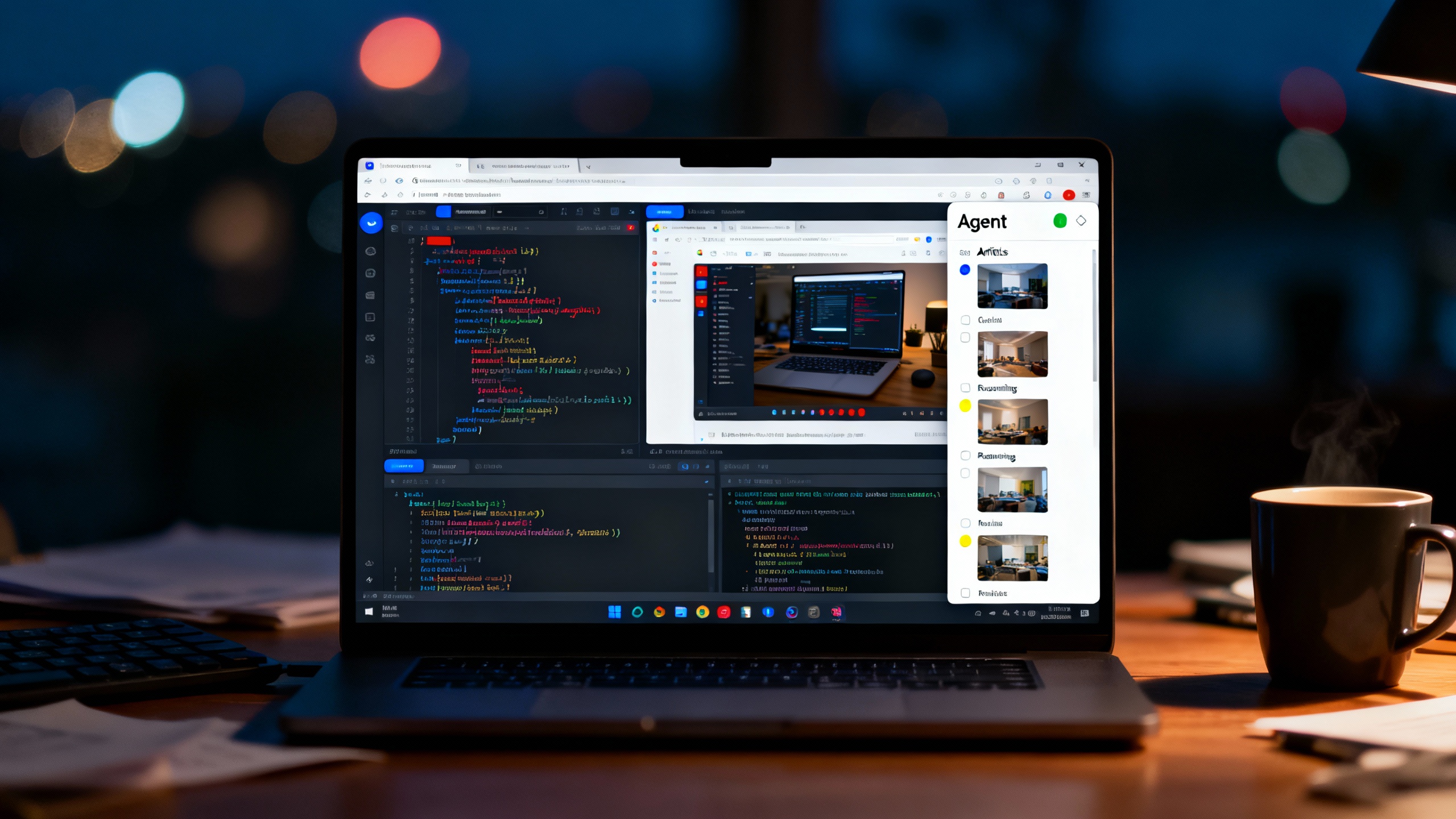
Antigravity, meanwhile, is a free public‑preview IDE where multiple AI agents can plan, execute and verify end‑to‑end software tasks across the editor, terminal and a built‑in browser — with verifiable “Artifacts” (task lists, plans, screenshots and short recordings) that show their work. Developers Blog, The Verge overview.
Why this matters
The last year turned AI coding from autocomplete into co‑workers. With Gemini 3, Google is emphasizing agentic skills: reasoning, tool use and long‑horizon planning. It’s also shipping those gains directly into everyday surfaces — Search, the Gemini app, and now an IDE — rather than treating the model as a lab demo. Search integration details.
What’s new in Gemini 3 (for builders)
- State‑of‑the‑art reasoning and stronger tool use. Google highlights improvements across real‑world, agent‑style benchmarks that involve operating a computer, browsing and writing code. DeepMind model page.
- Immediate availability in multiple places developers already work: the Gemini app, AI Studio and Vertex AI — plus a dedicated CLI and the new Antigravity IDE. Launch post.
- A “Deep Think” mode that runs extra deliberation for hard problems (rolling out after additional safety evaluation). Launch post.
- Google says this is the first time a brand‑new Gemini model ships into Search on day one via AI Mode for Pro/Ultra subscribers. Search post, Reuters.
Meet Antigravity: Google’s agent‑first IDE
Antigravity is designed around the idea that agents shouldn’t be a tiny chat in your sidebar — they need their own “workspace.” Two core surfaces structure the experience:
- Editor View: a familiar IDE with inline completions and a side‑panel agent.
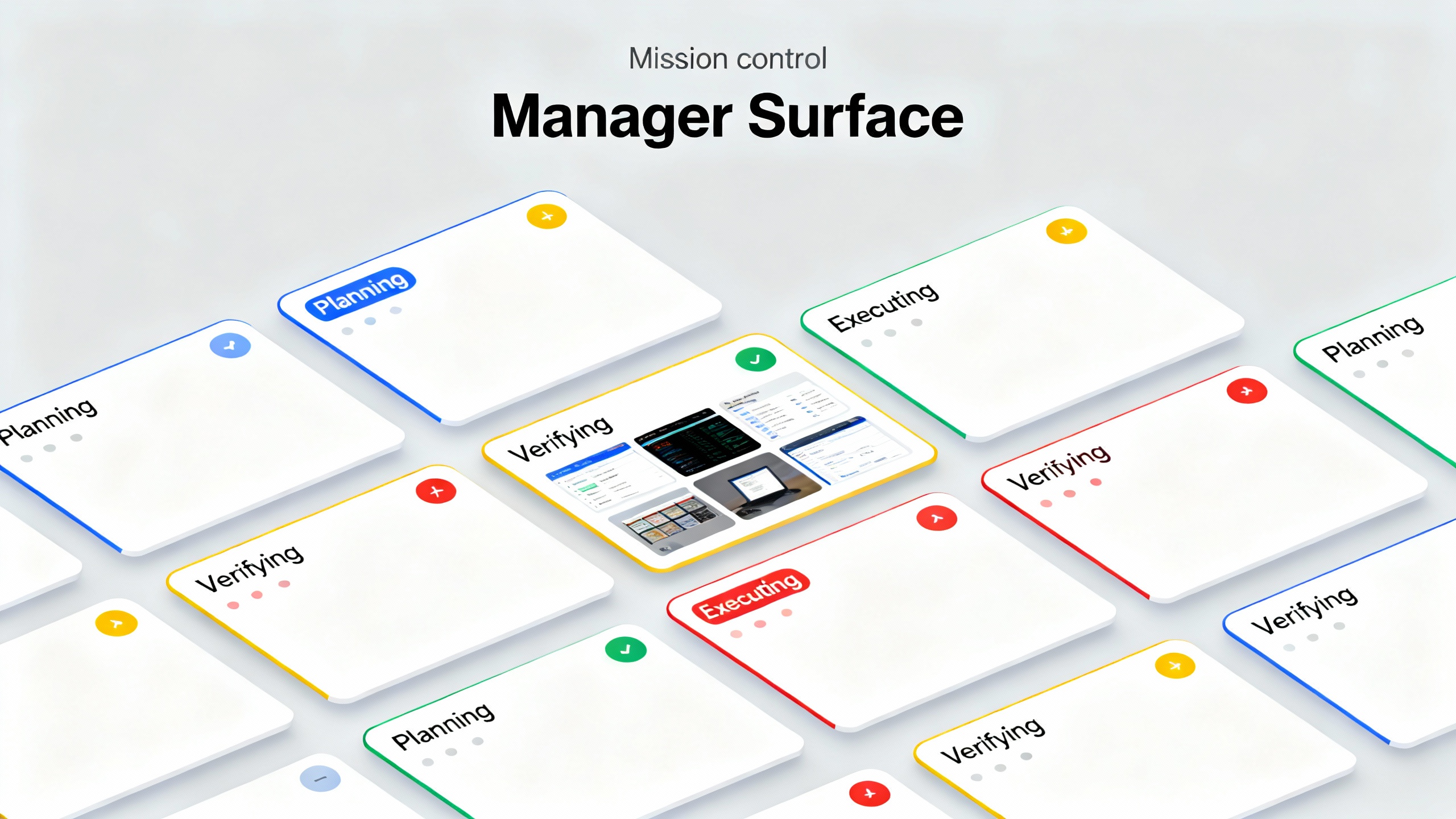
- Manager Surface: a “mission control” where you can spawn and orchestrate multiple agents running across different workspaces and tasks asynchronously.
Agents can directly touch three surfaces — editor, terminal and browser — to build features, run apps locally, and verify UI flows. Crucially, they produce Artifacts (task lists, implementation plans, screenshots and short browser recordings) that are easier to audit than raw tool‑call logs. Developers Blog, The Verge.
Antigravity supports model choice: Gemini 3 Pro (with generous free tier limits during preview), plus Anthropic’s Claude Sonnet 4.5 and an open‑weight “GPT‑OSS” option. It’s available today for macOS, Windows and Linux. Developers Blog.
Performance: the coding and agentic benchmarks that matter
Google is publishing numbers on agent‑style evaluations — the kinds that simulate how a developer would actually use an AI to operate a computer and ship code. Highlights for Gemini 3 Pro:
Selected coding and agentic benchmarks (Gemini 3 Pro)
| Benchmark | What it tests | Gemini 3 Pro |
|---|---|---|
| SWE‑bench Verified | Real GitHub issues, single‑attempt agentic fixes | 76.2% |
| Terminal‑Bench 2.0 | Terminal‑driven computer use via an agent | 54.2% |
| LiveCodeBench Pro | Competitive coding (Elo) | 2,439 |
| τ2‑bench | Tool‑use reliability | 85.4% |
| Vending‑Bench 2 | Long‑horizon agent tasks (net worth) | $5,478.16 |
Source: DeepMind’s Gemini 3 Pro evaluations. Independent coverage: TechCrunch.
How it compares to the current AI IDE wave
Antigravity lands in a busy space — Cursor, Windsurf, Copilot Agent modes and more. The differentiators Google is leaning into are (1) multi‑agent orchestration via the Manager surface, (2) integrated browser/terminal control for end‑to‑end tasks, and (3) verifiable Artifacts for trust. Early hands‑ons point to a multi‑pane workflow (prompt + CLI + browser) and agent access to the local environment. The Verge, TechCrunch.
Availability, pricing and how to try it
- Gemini 3: Available now in the Gemini app, AI Studio, Vertex AI and AI Mode in Search (Pro/Ultra subscribers). Deep Think mode rolls out after additional safety testing. Launch post, Search post.
- Antigravity IDE: Free public preview on macOS, Windows and Linux with generous Gemini 3 Pro limits; supports Claude Sonnet 4.5 and GPT‑OSS; download from antigravity.google. Developers Blog.
TipFast start: a safe first project
- Create a fresh Git‑initialized workspace and enable tests.
- In Antigravity’s Manager, assign a small feature (“Add password reset flow with form validation and tests”).
- Let the agent plan, then review its Artifacts — especially screenshots/recordings of UI tests — before merging.
- Keep your secrets and prod credentials out of preview builds.
What early users and the press are seeing
Day‑one reactions mix excitement with “preview‑grade” caveats: some users report rate limits or flaky terminal/browser hand‑offs, while others highlight the utility of the browser‑in‑the‑loop agent for front‑end tasks and the clarity of Artifacts. Coverage from Ars Technica, The Verge and Reuters echoes those themes. Expect rapid iteration.
The bigger picture: agents graduate from “assist” to “execute”
Gemini 3’s day‑one Search integration and Antigravity’s agent surfaces signal a shift from point‑suggestions to autonomous execution with audit trails. For teams, the immediate opportunity is offloading well‑scoped, testable tasks — bug reproduction, scaffolding, regressions and UI checks — while keeping humans in the acceptance loop via Artifacts and CI. For the broader web, Google’s move to richer generative interfaces in Search raises familiar traffic questions for publishers — an ongoing trade‑off to watch. Search post, AP News context.
Sources
- Google: Introducing Gemini 3; Gemini 3 in Search; Gemini 3 for developers; Antigravity IDE (Developers Blog).
- DeepMind: Gemini 3 Pro model page and evaluations.
- Reporting/analysis: Reuters; AP News; TechCrunch; The Verge; Ars Technica.