

TL;DR
Google is rolling out Gemini 3 across its consumer, developer, and enterprise surfaces, while unveiling Antigravity — a new, agent‑first IDE that lets multiple AI agents plan, code, run terminals, and drive a browser with verifiable “artifacts” of their work. Gemini 3 arrives first as “Pro” in preview, with a higher‑reasoning “Deep Think” mode to follow after extra safety review. Google pairs this with a day‑one upgrade to Search’s AI Mode and an expanded Gemini app.
Why this launch matters
If 2023–2024 was about copilots, 2025 is about agents that can take multi‑step actions, justify what they did, and work alongside humans inside the tools they already use. With Gemini 3 positioned as Google’s most capable reasoning model and Antigravity elevating agents to first‑class citizens in the development workflow, Google is signaling a product strategy shift: from “help me write code” to “help me ship software.” Google, The Verge.
What’s new in Gemini 3
- Rolling availability as of November 18, 2025: Gemini 3 Pro is in preview across the Gemini app, AI Studio/API, Vertex AI, and Search’s AI Mode; Deep Think (an enhanced reasoning mode) is slated to reach Google AI Ultra subscribers after additional safety evaluations. Google, Google Search blog.
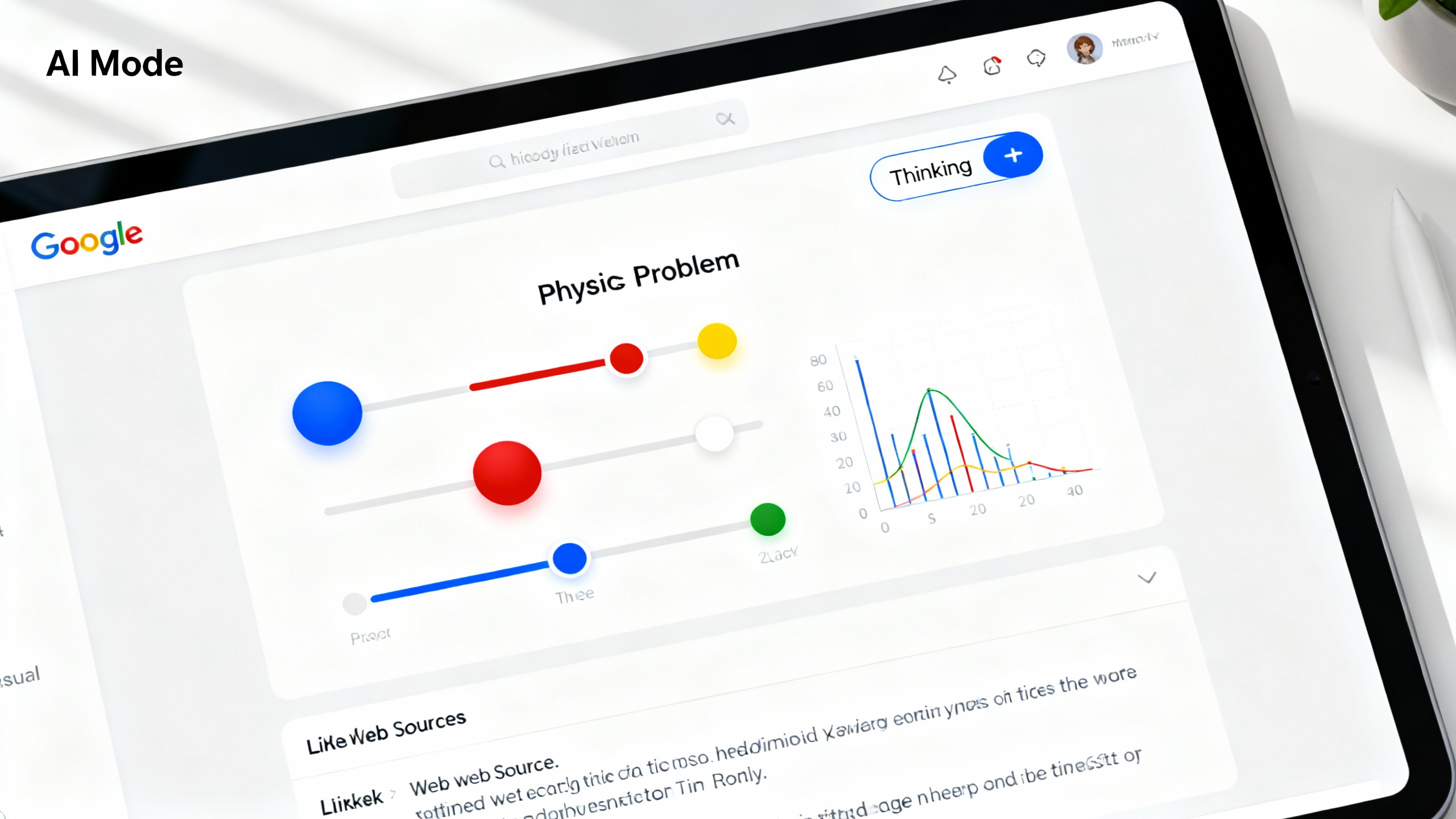
- Day‑one in Search’s AI Mode: a “Thinking” option routes tougher queries to Gemini 3 and can generate interactive tools and simulations inline (for example, an explorable physics demo or a tailored loan calculator). U.S. access starts with Google AI Pro and Ultra subscribers. Google Search blog.
- In the Gemini app: upgraded reasoning, new generative interfaces, and an experimental Gemini Agent that can take on multi‑step tasks like inbox organization or trip planning for Ultra subscribers. Google.
- Safety posture: Google says Gemini 3 underwent its most comprehensive safety evaluations yet, with reduced sycophancy, stronger injection resistance, and external reviews as part of its Frontier Safety Framework. Google.
Antigravity: an IDE built around agents, not just autocomplete
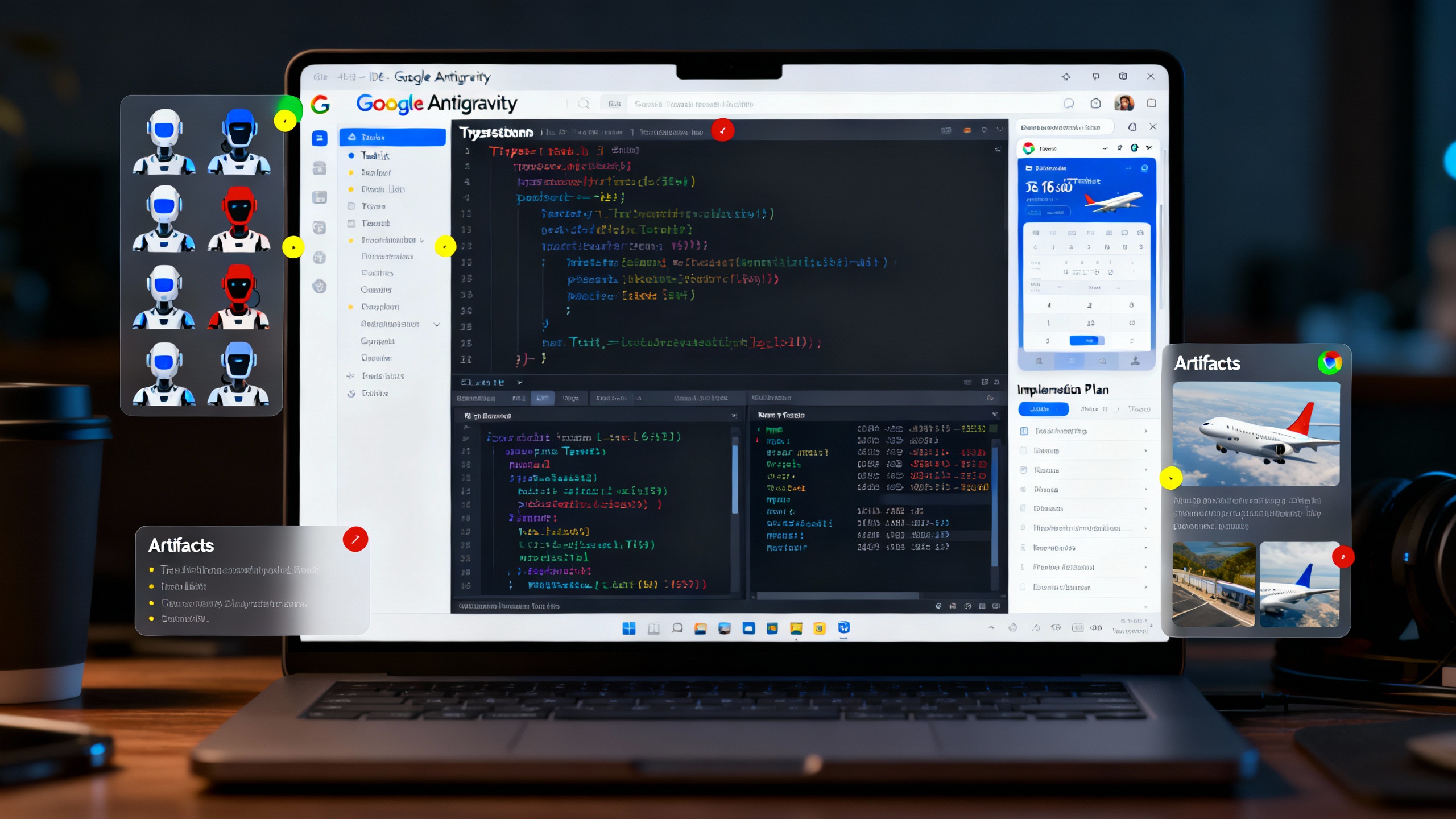
Antigravity is Google’s new agentic development environment. It gives agents explicit, first‑class access to your editor, terminal, and an instrumented browser — and requires them to leave behind “artifacts” (task lists, plans, screenshots, and browser recordings) so you can audit decisions and verify outputs.
- Agent‑first surfaces: a familiar Editor view and a Manager view (a mission‑control‑style dashboard for orchestrating multiple agents across workspaces). The Verge.
- Verifiable work via artifacts: instead of dumping raw tool logs, Antigravity assembles human‑readable evidence packages of what the agent planned, did, and validated. The Verge.
- Models and access: tightly integrated with Gemini 3 Pro, while also supporting select third‑party models; public preview on Windows, macOS, and Linux; free with generous rate limits during preview. The Verge, Google.
How this changes developer workflows
- From prompts to programs: Agents can autonomously plan features, spin up services, run tests in a real browser, and present an artifact you can review before merging.
- Better observability: Artifacts make agent actions legible for code review, pair‑programming, and compliance — a key gap in most chat‑based IDE helpers today.
- Multi‑agent orchestration: The Manager view enables parallelism — e.g., one agent researches APIs while another builds the frontend — without juggling tabs. The Verge.
TipPilot Antigravity without breaking production
- Start in a fork or staging environment; give agents scoped credentials and read‑only access to sensitive repos.
- Define “done” with artifacts: require a plan, diffs, tests, and a browser walkthrough before accepting a change.
- Bound the blast radius: assign narrowly‑scoped tasks (migrations, test generation, UI tweaks) before larger refactors.
- Keep a human in the loop: agents are fast, but you own shipping quality.
Gemini 3 meets Search and Workspace
Google is threading Gemini 3 through core surfaces where people already work:
- Search’s AI Mode gets Gemini 3 on day one, including dynamic, interactive answers. Expect wider routing to Gemini 3 in the coming weeks for complex queries. Google Search blog.
- The Gemini app adds an experimental Gemini Agent for longer‑horizon tasks, while Deep Research now taps Gmail, Drive, and Chat for context to compile multi‑page reports. Google, TechRadar.
- Workspace extensions for Gemini (Gmail, Docs, Drive, Calendar, Keep, Tasks) are generally available, enabling cross‑app actions like drafting, summarizing, and scheduling from one place. Workspace Updates.
Pricing and access at a glance
Where you can try Gemini 3 and Antigravity now
| Product | Availability (Nov 18, 2025) | Access tier | Notes |
|---|---|---|---|
| Gemini 3 Pro (model) | Preview | API via AI Studio and Vertex AI | Developer preview pricing listed at $2 per 1M input tokens and $12 per 1M output tokens (≤200k tokens). Google. |
| Google Search (AI Mode) | Rolling out (U.S.) | Google AI Pro/Ultra | “Thinking” routes complex queries to Gemini 3; interactive tools/simulations inline. Google Search blog. |
| Gemini app | Rolling out | Free + Ultra | Experimental Gemini Agent for multi‑step tasks available to Ultra subscribers; broader Gemini 3 improvements for all. Google. |
| Vertex AI (Enterprise) | Rolling out | Enterprise | Gemini 3 Pro in managed services. Google. |
| Antigravity IDE | Public preview | Free during preview | Agent‑first IDE; Editor + Manager views; artifacts; supports Gemini 3 Pro and select third‑party models. The Verge. |
What this means for teams and budgets
- Productivity upside, but with new guardrails: agentic IDEs may compress delivery cycles for scoped work (tests, migrations, UI), yet teams must standardize artifact expectations, require human approvals, and restrict secrets and production credentials.
- Cost planning: Gemini 3’s preview pricing sits above the 2.5 Pro rates most teams piloted earlier this year, so model choice and prompt design will matter. Expect pricing to evolve post‑preview. Google (2.5 Pro historical pricing via press), Google (3 Pro preview pricing).
- Strategic context: Google is leaning hard into agents across Search and Workspace while investing heavily in AI infrastructure — a bet investors are watching closely. AP News.
Bottom line
Google’s Gemini 3 + Antigravity launch is less a model bump than a product stance: agent‑first. If the artifacts‑and‑manager approach holds up in the real world, it could normalize how teams supervise AI collaborators — not just in code editors, but across Search, the Gemini app, and Workspace. The winners will be teams that pair agent speed with disciplined review, scoped access, and clear definitions of “done.”
Sources
- Google: A new era of intelligence with Gemini 3 (Nov 18, 2025)
- Google Search: Google Search with Gemini 3: Our most intelligent search yet
- Google (Developers): Start building with Gemini 3 — pricing, developer availability
- The Verge: Google Antigravity is an ‘agent‑first’ coding tool built for Gemini 3
- TechRadar: Gemini Deep Research can now connect to your Gmail, Docs, Drive and even Chat
- Google Workspace Updates: Workspace apps for the Gemini app are now generally available
- AP News: Google unveils Gemini’s next generation, aiming to turn its search engine into a ‘thought partner’