

Meta is turning its AI assistant into a real-time gateway to news. On December 5, 2025, the company said Meta AI will now answer newsy questions with brief summaries and clear links out to partner coverage—backed by new commercial licensing deals with CNN, Fox News, USA TODAY Co. (formerly Gannett), and others. The move marks a notable pivot from Meta’s recent retreat from traditional news distribution on Facebook and Instagram—and a fresh attempt to ground AI answers in professional journalism.
What Meta announced—and why it matters
Meta’s newsroom post outlines the first wave of partners powering “more real-time content” inside Meta AI, including CNN, Fox News, Fox Sports, USA TODAY and the USA TODAY Network, People Inc.’s portfolio (e.g., People, Entertainment Weekly), France’s Le Monde Group, plus The Daily Caller and The Washington Examiner. Responses to news questions will now surface short, timely context and link cards that take readers to the publishers’ sites. Terms weren’t disclosed. The company frames the change as a way to make Meta AI “more responsive, accurate, and balanced” on fast-moving events while sending traffic back to newsrooms. Meta; TechCrunch; USA TODAY Co. release
Who’s in the first wave
Initial partners named by Meta (Dec 5, 2025)
| Publisher/Group | Coverage focus | Notes |
|---|---|---|
| CNN | U.S. and global news | National/international reporting |
| Fox News | U.S. news and politics | National coverage and opinion |
| Fox Sports | Sports news | Live scores, analysis, highlights |
| USA TODAY & USA TODAY Network | National + local U.S. | Hundreds of local outlets under USA TODAY Co. (rebranded from Gannett in Nov 2025) |
| People Inc. portfolio | Entertainment & lifestyle | People, Entertainment Weekly, and other brands |
| Le Monde Group | International news | European perspective (France) |
| The Daily Caller | U.S. politics | Conservative outlet |
| The Washington Examiner | U.S. politics | Conservative outlet |
Sources: Meta; Business Wire: USA TODAY Co.; Dotdash Meredith → People Inc.
What changes for users
- Where you’ll see it: Inside Meta AI across WhatsApp, Instagram, Facebook, Messenger and Meta’s standalone app—plus on devices like Ray‑Ban Meta glasses (features vary by region). Meta EU/device updates
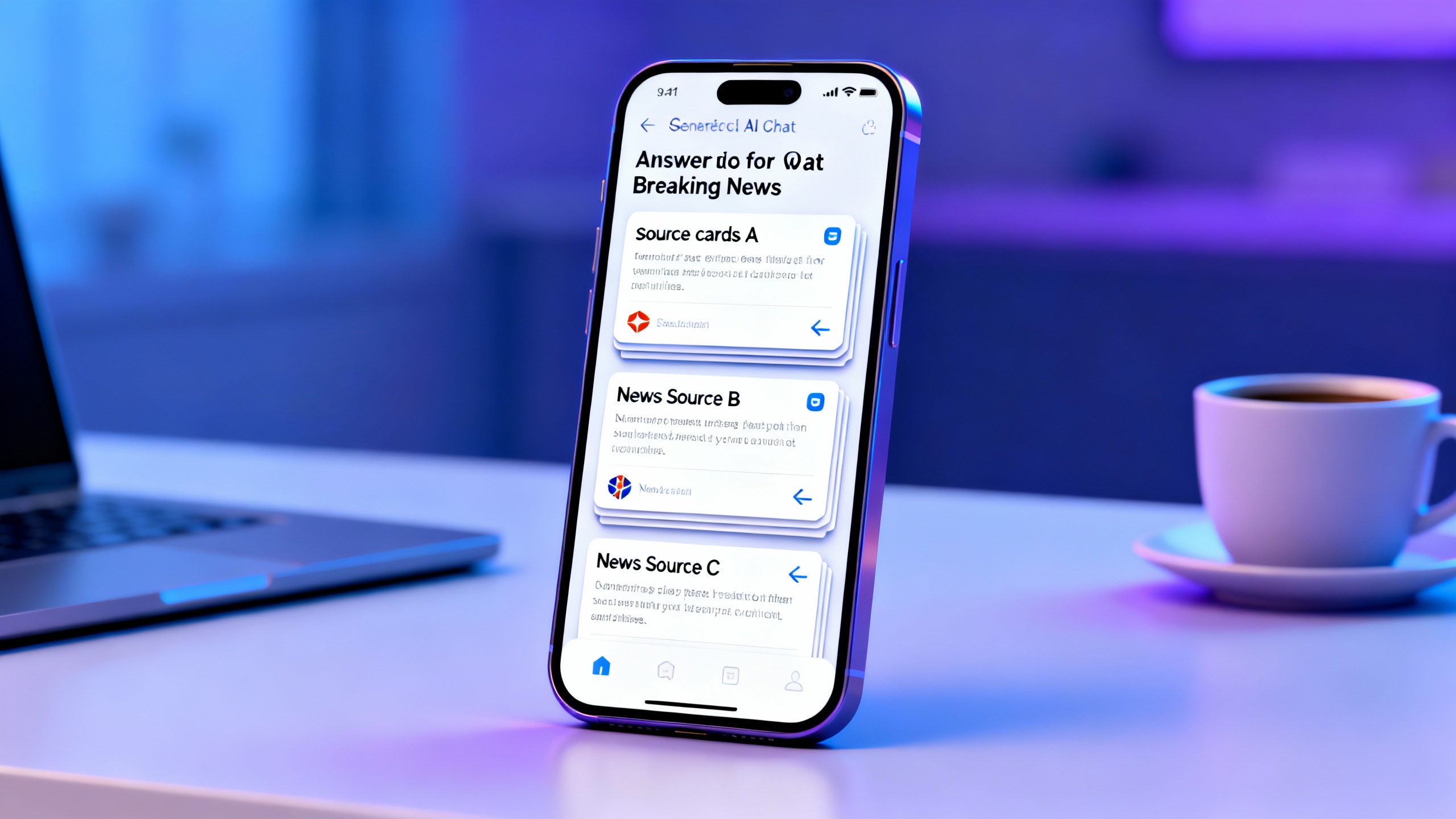
- What you’ll see: A concise answer with multiple link cards from partner outlets so you can jump to full coverage. Meta
- What you won’t see (yet): Deal terms or detailed training rights. Partners and Meta note that commercial terms are undisclosed; prior reporting around Meta’s 2024 Reuters arrangement said training permissions were unspecified. USA TODAY Co.; Axios on Reuters deal
Context: from retreating from news to licensing it for AI
Meta spent the last few years dialing down news in the feed, including shutting the Facebook News tab in the U.S. and Australia in April 2024. That coincided with a steep drop in Facebook referrals to publishers—around 50% year over year according to Chartbeat/Similarweb analyses—pushing news companies to seek new distribution and monetization channels. CNBC;
Another flashpoint: in 2023 Meta blocked news links on Facebook and Instagram in Canada to comply with the Online News Act. The clash amplified publisher anxiety that platform changes can abruptly reroute audiences and revenue. Meta; CNBC
Against that backdrop, AI has become the new negotiation table. OpenAI, for instance, licensed content from the Financial Times and News Corp in 2024. The latest Meta deals fit the same trend: compensate rights holders, cite them in answers, and send readers to the source. OpenAI–FT; OpenAI–News Corp
What this means for AI, automation, and productivity
- For users: Faster situational awareness. When a story breaks, you can get a neutral snapshot and jump straight to original reporting without hopping between sites.
- For teams: Lightweight news monitoring. Social, comms, and ops teams can query Meta AI for “what changed” across multiple outlets, then click through for details and policy statements.
- For accuracy: Licensed retrieval should reduce hallucinations by anchoring answers to live articles (with links). It’s not foolproof, but it’s better grounding than un-attributed summaries.
- For publishers: New revenue exposure plus traffic, especially if link cards are prominent. The big open question is how much volume these AI-driven referrals will deliver at scale.
Under the hood (likely)
While Meta doesn’t describe the stack, the design resembles retrieval-augmented generation (RAG): fetch fresh partner content, summarize for context, and present multiple citations. That keeps the model current without retraining for every event—important for breaking news. This also leaves room for more partners (and topic verticals) to slot in over time. Meta
What to watch next
- Scope of rights: Do these agreements cover training data, or just retrieval/linking? (Reuters precedent suggests ambiguity.) Axios
- Editorial balance: Meta is mixing mainstream, international, and conservative outlets in the launch cohort. How often will each appear, and will users be able to customize sources? Meta
- Regional availability: Features on Meta AI (and on Ray‑Ban Meta glasses) still vary by country; Europe-specific constraints remain a factor. Meta (EU devices)
- Measurable impact: Will AI-era link cards offset the long slide in platform referrals to news sites?
TipTry it now
Ask Meta AI:
- “Give me three perspectives on the latest U.S. jobs report and link to coverage.”
- “How did [your team] play last night? Show CNN, Fox Sports, and USA TODAY recaps.”
- “What’s Le Monde reporting about the French elections today? Include the link.” Use the link cards to jump to full articles—and verify key details before sharing.
Sources
- Meta Newsroom: Bringing More Real-Time News and Content to Meta AI (Dec 5, 2025)
- TechCrunch: Meta signs commercial AI data agreements with publishers to offer real-time news on Meta AI (Dec 5, 2025)
- Reuters (syndicated): Meta strikes multiple AI deals with news publishers (Dec 5, 2025)
- USA TODAY Co.: USA TODAY Co. and Meta Announce Multi-Year AI Licensing Partnership (Dec 5, 2025)
- Business Wire: Gannett Changes Name to USA TODAY Co. (Nov 18, 2025)
- Axios: Meta strikes multi-year AI deal with Reuters (Oct 25, 2024)
- CNBC: Facebook is getting rid of the News tab in the U.S. and Australia (Mar 1, 2024)
- Nieman Lab (summary of Chartbeat data): Facebook’s referral traffic for publishers down 50% in 12 months (May 12, 2024)
- Meta (Canada): Changes to News Availability on Our Platforms in Canada (updated Aug 1, 2023)
- OpenAI: Financial Times partnership (Apr 29, 2024) and News Corp partnership (May 22, 2024)