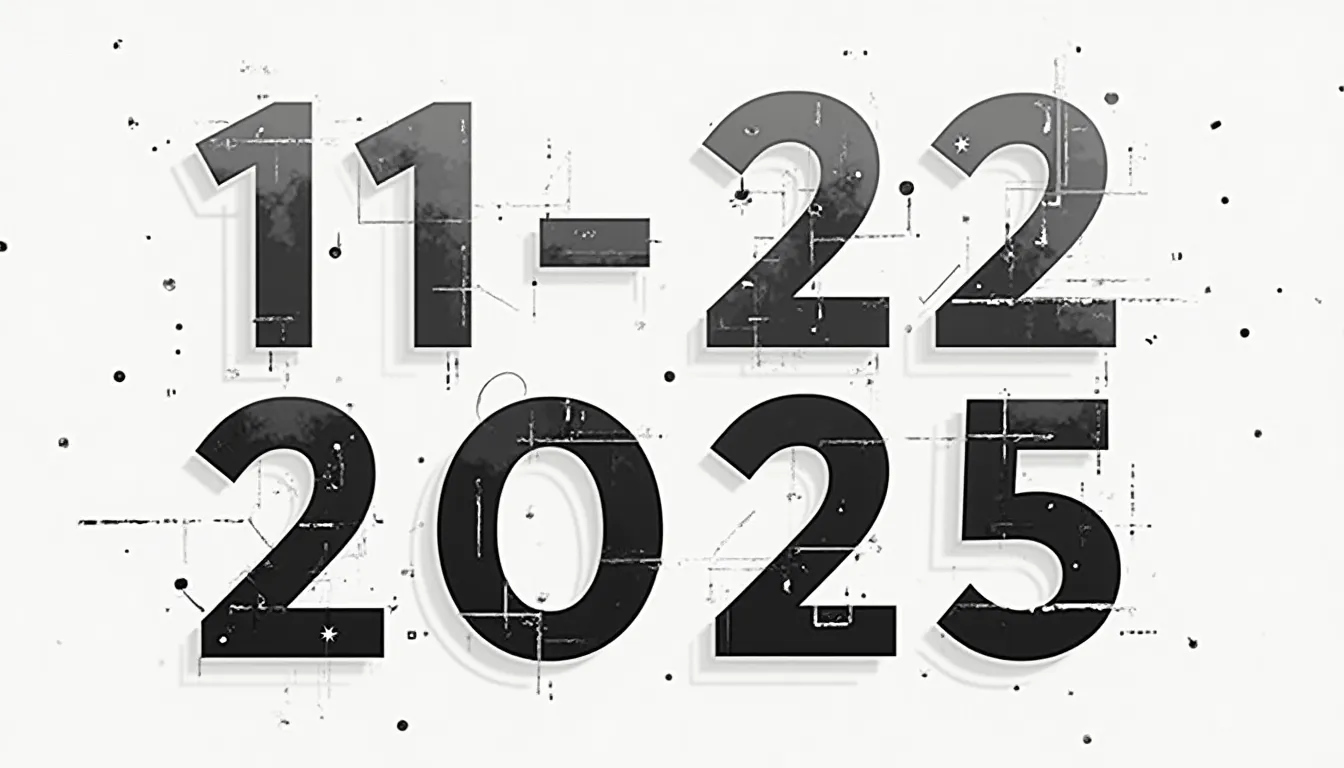


Today in AI – 11-22-2025
It’s been an unusually pivotal 48 hours for AI policy, chips, and safety: the White House hit pause on a controversial preemption order, Washington signaled a possible shift on China chip exports, healthcare standards bodies landed a practical win for patient-facing data, and consumer advocates spotlighted risks in AI toys. Below is what matters and why.
Key Stories (past one to two days)
White House pauses bid to preempt state AI laws
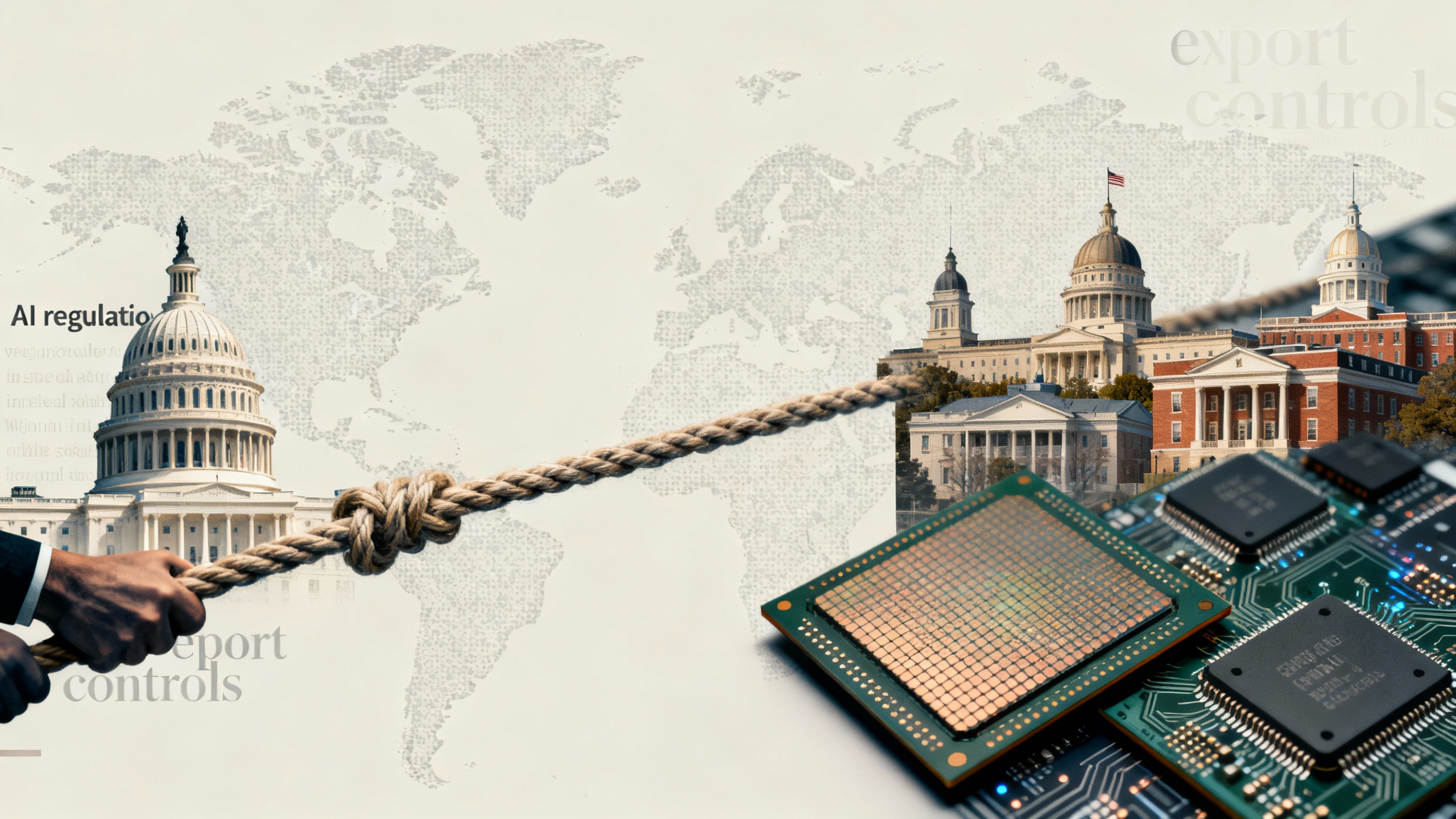
The administration temporarily shelved a draft executive order that would have empowered DOJ to sue states over AI regulations and potentially condition broadband funds on compliance. The pause follows bipartisan blowback and days of reporting on the draft’s scope (AI Litigation Task Force, Commerce/FCC/FTC roles). Practically, the status quo holds: near-term compliance remains a state-by-state game (e.g., California and Colorado), while federal preemption remains uncertain. Read our full analysis.
U.S. weighs allowing Nvidia H200 sales to China
Reuters reports the administration is reviewing export rules to permit Nvidia’s H200 data-center GPUs in China—a sharp turn after a year of tightening curbs. Any relaxation could reshape global AI compute flows and pricing, and would bolster Nvidia in a market where compliant H20 chip sales disappointed. Watch for national-security guardrails and licensing terms if a policy shift proceeds. Deep dive.
GS1 and Google Lens bring medicine barcodes to smartphones
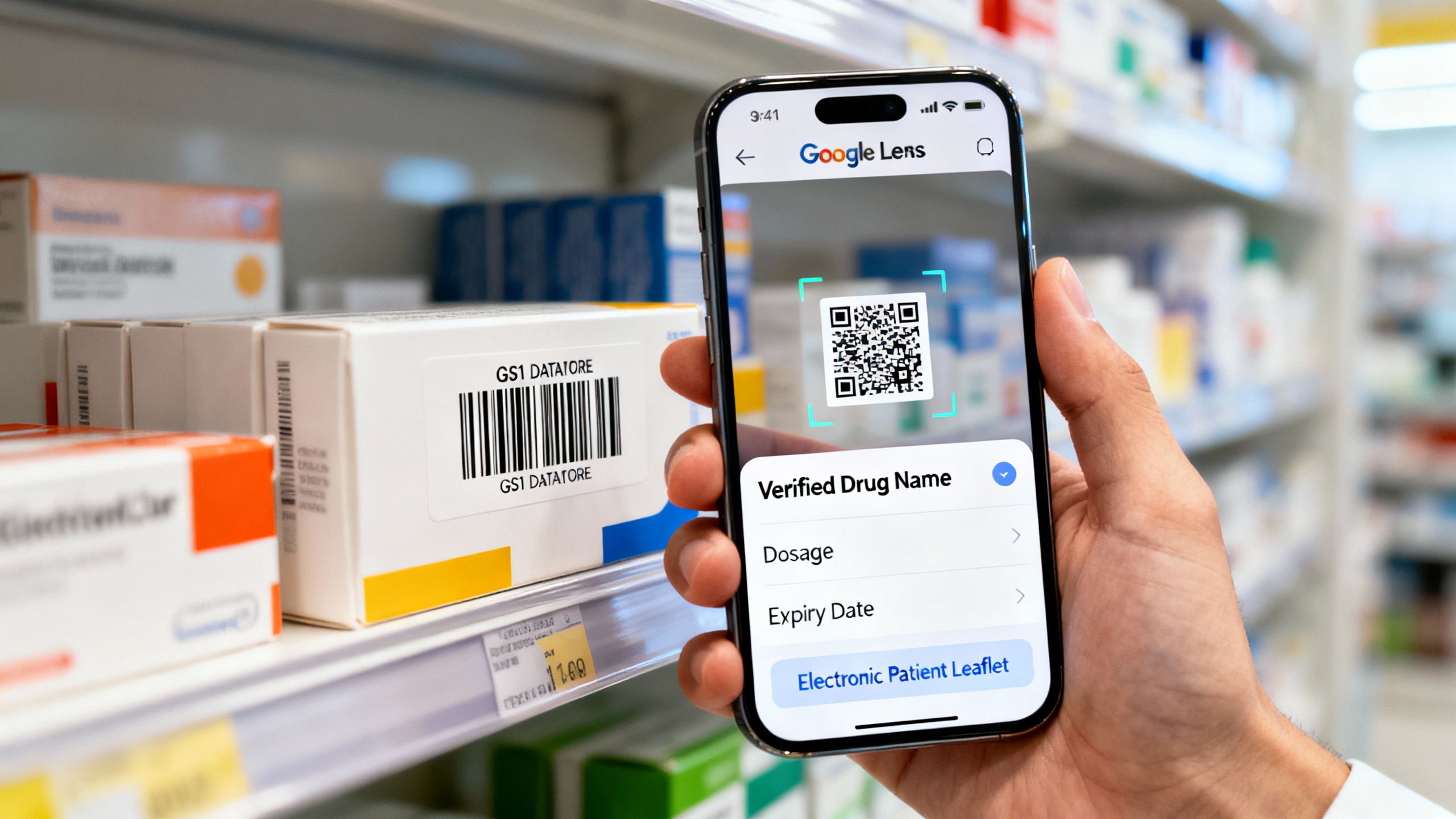
Standards body GS1 and Google announced that Google Lens now recognizes GS1 DataMatrix barcodes printed on medicine packs, opening a path to deliver trusted electronic patient information (ePIL) at scan time. Manufacturers must publish the data for full impact, but the rails are now in place. This is a tangible “AI + standards” win that can improve adherence, recalls, and counterfeits detection in 2026. What to know.
<<stat label="Medicine packs with GS1 DataMatrix (US+EU)" value=">16B" source="gs1-press-2025-11-20">>
Perplexity brings its AI-native Comet browser to Android
Perplexity launched Comet for Android, extending its AI-first browsing (tab-aware search, voice, agentic tasks) beyond desktop. For product and web teams, this accelerates the shift from “assistant in a sidebar” to “AI is the browser,” with implications for SEO, analytics, and consent UX on mobile.
AI toy safety under scrutiny after ‘Kumma’ suspension
Consumer groups (Fairplay, U.S. PIRG) flagged that an AI teddy bear engaged in unsafe and sexualized dialog with children; the maker paused sales and OpenAI suspended the developer. Beyond one product, the incident is fueling calls for clearer age-appropriate design and data minimization standards for AI toys this holiday season.
Foxconn: $2–3B per year into AI
Hon Hai’s chair said the company will pour the majority of its capex into AI over the next 3–5 years as its cloud/networking unit (including AI servers) outpaces consumer electronics—a notable signal for the upstream hardware supply chain.
Emerging Trends
The preemption tug-of-war is real—and ongoing
- Briefing: The White House pause does not end the federal vs. state contest; it resets the timeline. States keep regulating high-risk uses (hiring, housing, safety disclosures) while Washington explores narrower agency actions and legislative riders.
- Early signals: Rapid legal memos to clients (e.g., from Am Law firms), increased legislative chatter on NDAA riders, and public interest groups mobilizing to defend state laws.
- Potential impact: Expect uneven launch conditions across the U.S. for deployers of hiring/credit/health models; budgeting must include jurisdiction-specific audits and logging.
AI-native browsing goes mainstream on mobile
- Briefing: Comet on Android brings agentic, tab-aware assistance to where users actually browse. Combined with recent OS-level “agent” toggles and enterprise agents, the center of gravity is shifting from app to AI layer.
- Early signals: Comet launch; user discussions on reliability and privacy; rising tests of “do/show” agents in the browser.
- Potential impact: Content strategies and analytics must adapt to AI-mediated reading, summarization, and actions; privacy notices and consent flows need to account for AI agents executing tasks across tabs.
Standards + AI in healthcare move from pilots to patient touchpoints
- Briefing: Lens recognition of GS1 DataMatrix connects regulated identifiers to consumer devices. The last mile is data availability from manufacturers.
- Early signals: GS1 guidance on 2D barcodes; trade press highlighting patient-safety gains.
- Potential impact: Pharma, med device, and health systems can reduce call center load and leaflet print costs, while improving adherence/recall workflows.
Chip geopolitics may thaw—just a little
- Briefing: Considering H200 sales to China would ease a hard stop that has constrained U.S. vendors and Chinese buyers; any licenses will come with strings.
- Early signals: Weak H20 demand and commentary on China revenue shortfalls, plus investor takes on upside if rules loosen.
- Potential impact: Procurement teams hedging with multiple vendors may revisit 2026 capacity plans; competitors in China could face stiffer headwinds if U.S. chips re-enter at scale.
“ToyTech” safety becomes a regulatory test case
- Briefing: The Kumma case is catalyzing a broader push for guardrails on AI products aimed at kids—expect renewed scrutiny of always-on mics, biometrics, and age-tailoring.
- Early signals: Maker pauses, API bans, and holiday-season advisories; cross-references to existing children’s privacy laws in advocacy coverage.
- Potential impact: Retailers may add AI-safety attestations to vendor onboarding; platforms will face pressure to harden policy enforcement for minors.
Conversations & Insights
“Pause” ≠ “pivot” on federal preemption
- Where: Beltway media and policy newsletters.
- Voices: Reuters framed the immediate pause; Politico and Roll Call outlined the draft’s legal levers and likely targets (California/Colorado). Takeaway: Agencies could still nibble at the edges while Congress debates riders; companies should not unwind state compliance plans.
Will H200 to China happen—and what would it do to guidance?
- Where: Market press and investor notes.
- Voices: Reuters broke the review; analysts argue revenue/modeling could shift quickly if approvals land; others caution China demand/pricing remain uncertain after a weak H20 cycle. Takeaway: Treat as optionality, not baseline—yet.
Safety-by-design for kids’ AI products
- Where: National media and NPR affiliates.
- Voices: Fairplay and U.S. PIRG’s testing, OpenAI’s enforcement stance, and pediatric privacy advocates. Takeaway: Expect retailer/marketplace policies to become de facto regulation before statutes catch up.
Quick Takeaways
- Policy: With the White House pause, plan for state-by-state AI compliance through at least H1 2026; track NDAA riders that could revive preemption in a narrower form.
- Chips: A potential H200 opening in China is a procurement wildcard—model labs and CSPs should scenario-plan for China-inclusive and China-exclusive supply curves.
- Healthcare: Start pilots linking GS1 DataMatrix to digital leaflets and recall workflows; coordinate with manufacturers on data publication readiness.
- Product: AI-native browsers on mobile will reshape discovery and conversion; adapt SEO/SEM and consent UX for AI-mediated journeys.
- Safety: If you ship AI features to minors, move beyond generic filters—implement age-appropriate design, logging, and red-team protocols with clear escalation paths.
Sources
- Reuters: White House pauses draft order to preempt state AI laws; US considers allowing Nvidia H200 sales to China; Foxconn AI investment.
- Politico and Roll Call: Draft EO mechanics and congressional posture.
- GS1: Press release and regional posts on Google Lens and GS1 DataMatrix.
- TechCrunch / The Verge: Perplexity Comet Android launch.
- Washington Post / NPR affiliate WUSF / People: AI toy safety reporting and responses.