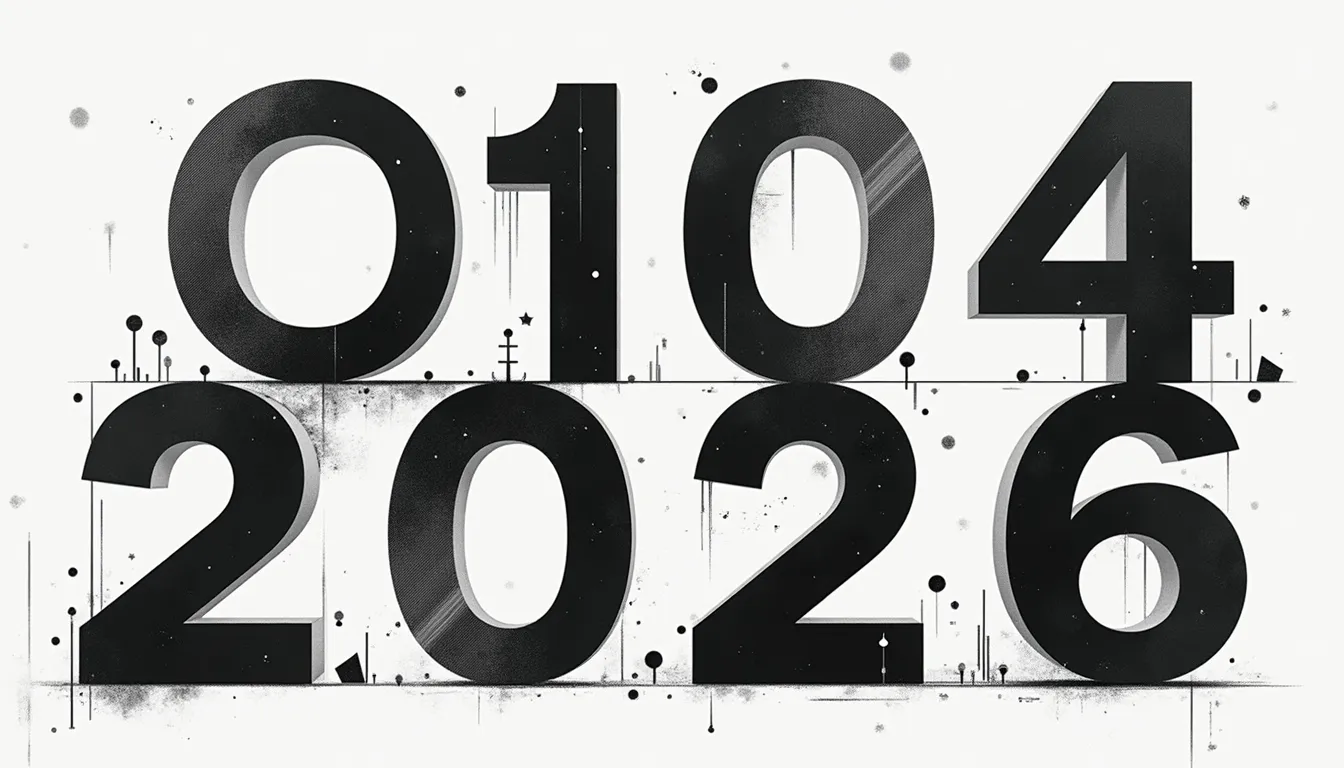


Today in AI – 12-21-2025

Key Stories (past 48 hours)
-
Google delays Gemini replacing Assistant to 2026 as transition slows Google says the full switch from Google Assistant to Gemini on Android will “continue into 2026,” softening the previously stated end‑of‑2025 cutoff. Expect Assistant to remain on many phones a bit longer; once migration completes on eligible devices, the Assistant app will be pulled from app stores. For product teams, that means more time to dual‑support Assistant and Gemini actions, and to monitor feature parity gaps (e.g., voice calling, alarms, and smart‑home controls) that are still being closed.
-
Tencent taps Japan cloud to access Nvidia Blackwell chips despite US bans Financial Times reporting indicates Tencent is renting cutting‑edge Nvidia GPUs via Japanese provider Datasection, with compute hosted in Japan and Australia—sidestepping US export limits that bar direct sales of top chips to Chinese firms. If sustained, this “compute by proxy” model complicates enforcement and could accelerate model development outside China’s borders while keeping training offshore.
-
OpenAI adds tone dials to ChatGPT, letting users control warmth, enthusiasm, and emojis ChatGPT now lets users adjust stylistic “characteristics” such as warmth, enthusiasm, emoji frequency, and formatting density (headers/lists) from the Personalization menu. The update—rolling out Dec 20–21—formalizes brand‑voice controls and reduces prompt engineering burden for teams that need consistent tone across channels.
-
Meta’s ‘Mango’ and ‘Avocado’ models set 2026 launch window WSJ/TechCrunch reporting says Meta is developing “Mango” (image/video generation) and “Avocado” (text/coding) under its new Superintelligence Labs, with early work on “world models.” Target: 1H 2026. This suggests Meta is preparing a renewed push in multimedia and coding assistants—and potentially a shift away from open releases toward more proprietary distribution.
-
LG backtracks: Copilot tile on webOS TVs will be removable After backlash to a forced Microsoft Copilot shortcut on newer LG TVs, the company says users will be able to delete it in a future update. The episode underscores rising consumer sensitivity to “AI everywhere” placements and the risk of over‑aggressive distribution.
-
FERC orders PJM to set rules for co‑located AI data centers The US Federal Energy Regulatory Commission directed PJM (the largest US grid operator) to clarify how data‑center loads sited at power plants interconnect and draw power, citing reliability and affordability. Expect tariff revisions and new interconnection terms that could shape siting and cost structures for AI facilities across 13 mid‑Atlantic states and DC.
Emerging Trends
-
Assistant migrations slow—and hybrid models gain favor Google’s schedule slip to 2026, plus LG’s Copilot kerfuffle, signals the market is moderating rollouts of “default AI assistants.” Expect prolonged periods where legacy assistants, device OEM layers, and LLM apps coexist, raising testing and support complexity for developers.
-
Personalization becomes a core UX primitive for LLMs OpenAI’s tone controls institutionalize style knobs (warmth, enthusiasm, emojis, formatting) in settings rather than prompts. Early practitioner chatter frames this as a productivity feature to reduce “accidental cringe,” align with brand voice, and standardize output across teams.
-
Compute geopolitics moves to cloud‑rental workarounds Tencent’s reported use of offshore GPU clouds illustrates a rising “access‑without‑ownership” pattern that may blunt export restrictions. Watch for tighter rules on remote access to advanced compute, plus more scrutiny of cloud partners operating in allied jurisdictions.
-
Next wave: integrated world models and specialized media generators Meta’s 2026 roadmap (Mango/Avocado, world‑model research) adds momentum to multimodal, environment‑aware systems. If delivered, expect stronger planning, vision‑language grounding, and tighter video/image tooling in mainstream workflows.
Conversations & Insights
-
“Gemini isn’t ready yet”—mobile users debate the timeline Where: The Verge’s coverage and Reddit threads (r/GoogleGeminiAI, r/GeminiAI). Voices: Android enthusiasts, Pixel owners, and developers discuss lag, feature gaps (timers, calls, smart‑home), and privacy settings during the prolonged Gemini transition. Takeaway: Teams shipping Assistant/Gemini integrations should maintain dual support, add telemetry to catch regressions, and prepare user comms for capability changes.
-
“Turn down the hype”—humanoid robots still face data and autonomy hurdles Where: The Verge column and X/LinkedIn resharing. Voices: Robotics researchers and VCs point to teleoperation, dataset scarcity, and safety as the limiting factors despite glossy demos. Takeaway: For automation leaders, near‑term ROI remains stronger in task‑specific robotics and cobots than in general‑purpose humanoids—budget accordingly.
-
“AI everywhere” vs user control—TV backlash Where: The Verge, Tom’s Hardware, Reddit. Voices: Home‑entertainment users pushed back on the unremovable Copilot tile; LG now promises a delete option. Takeaway: Bundling AI endpoints without opt‑out erodes trust. Ship opt‑in defaults, clear disclosures, and easy removal mechanics.
-
Practitioner tip jar: ChatGPT’s new tone controls in the wild Where: r/promptingmagic. Voices: Power users suggest preset mixes (e.g., “Builder,” “Editor,” “Auditor”) to standardize tone per task and reduce prompt boilerplate. Takeaway: Centralize tone presets for customer‑facing teams to improve consistency across tickets, emails, and knowledge‑base updates.
Quick Takeaways
- Plan for a longer Assistant→Gemini coexistence window on Android; keep regression tests and UX copy ready for toggling capabilities.
- Expect heightened compliance and sourcing diligence if you rely on offshore GPU clouds or third‑party “compute by proxy.”
- Treat tone/style controls as governance features—define team‑level presets and lock them via admin policies where possible.
- Don’t force AI endpoints on users; offer opt‑in, transparent data use, and easy removal to avoid reputational blowback.
Sources
- The Verge — Google extends Assistant→Gemini migration into 2026: Link.
- Android Authority — Google softens Gemini transition deadline: Link.
- Financial Times — Inside Tencent’s deal to use Nvidia’s best AI chips in Japan: Link.
- Barron’s — Tencent accessing banned Nvidia chips through the cloud: Link.
- The Verge — ChatGPT adds warmth/enthusiasm/emoji controls: Link.
- TechCrunch — OpenAI lets users adjust ChatGPT’s warmth/enthusiasm: Link.
- The Wall Street Journal — Meta developing ‘Mango’ and ‘Avocado’: Link.
- TechCrunch — Meta’s 2026 multimedia model plans: Link.
- The Verge — LG says Copilot tile will be deletable: Link.
- Tom’s Hardware — Background on the LG Copilot backlash: Link.
- Reuters — FERC directs PJM to set AI data‑center rules: Link.
- The Verge — Humanoid robots hype vs. reality (column): Link.
- Reddit — Practitioner thread on ChatGPT tone controls: Link.