

Key Stories (past 48 hours)
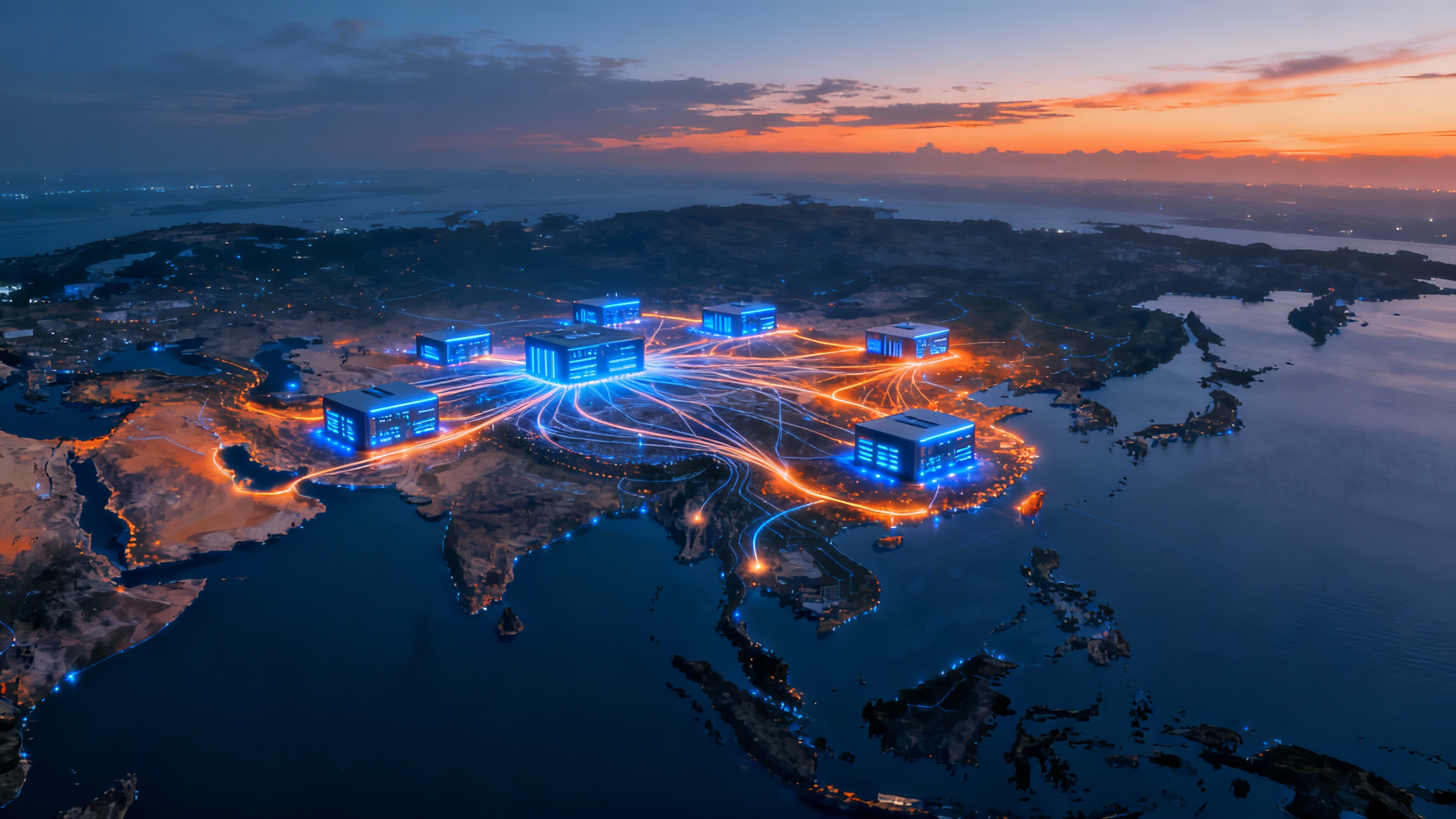
- ByteDance plans $23B AI infrastructure spend for 2026 — Read our stand‑alone coverage
- TikTok parent ByteDance is preparing roughly RMB 160 billion (~$23B) of capex for 2026, with about RMB 85B earmarked for AI processors and additional expansion via overseas data centers. The plan follows RMB 150B of 2025 AI infrastructure outlays and comes as U.S. restrictions partially ease to allow limited Nvidia H200 sales to approved Chinese firms. For AI builders and cloud buyers, this signals China’s private sector is accelerating compute acquisition and global capacity leasing to keep pace with U.S. hyperscalers.
- Congress presses for transparency on Nvidia H200 exports to China — Read our stand‑alone coverage
- Sen. Elizabeth Warren and Rep. Gregory Meeks sent a letter on December 22 requesting the Commerce Department disclose any license applications and approvals for Nvidia’s H200 shipments to Chinese companies, with briefings due before approvals and 48‑hour disclosure after any license is granted. The push follows a policy shift allowing H200 sales to China with a 25% fee; Reuters reporting indicates Nvidia aims to begin shipments by mid‑February 2026 (pending Beijing’s approval). Hardware vendors and cloud tenants should expect continued policy volatility and compliance overhead around export‑controlled accelerators.
- Authors escalate copyright fight: John Carreyrou sues OpenAI, Google, xAI, Meta, Anthropic, Perplexity — Read our stand‑alone coverage
- On Dec 22, a new suit led by journalist/author John Carreyrou alleges major AI firms used copyrighted books without consent to train LLMs. Notably, this is the first case to name xAI. Plaintiffs point to the recent $1.5B proposed class settlement with Anthropic as inadequate context for compensation. Outcome could influence training-data norms, datasets provenance, and licensing costs across the industry in 2026.
- Boston Dynamics to unveil next‑gen Atlas humanoids at CES
- Hyundai’s robotics unit will debut updated Atlas robots at CES while outlining commercialization strategy. Expect near‑term pilots in logistics and manufacturing and closer integration of vision‑language‑action models. Robotics integrators should watch for payload, runtime, and autonomy improvements and for early customer references.
- OpenAI rolls out “Your Year with ChatGPT” recap to consumers
- OpenAI launched a Spotify‑Wrapped‑style year‑in‑review for ChatGPT users in the U.S., U.K., Canada, Australia and New Zealand. Available to Free, Plus and Pro users (with memory and chat history enabled), it highlights usage themes and adds playful personalization. Beyond consumer engagement, the move underscores how AI apps are competing on retention and brand. Enterprise and education plans are excluded.
Emerging Trends
-
China’s AI compute catch‑up goes on offense ByteDance’s planned $23B 2026 capex is a clear signal that Chinese private platforms will keep scaling training and inference capacity via domestic purchases and overseas leases. Pair this with investor rotation into Chinese AI equities and the prospect of limited U.S. chip flows resuming (H200) and you get a more contested 2026 compute market. Expect tighter procurement cycles, multi‑region training strategies, and persistent geopolitics risk premia in chip pricing.
-
Humanoids inch from demos to pilots Boston Dynamics’ upcoming Atlas reveal at CES highlights an industry pivot from splashy videos to commercialization roadmaps. Early deployments will target repetitive, semi‑structured tasks, while integrators test ROI against safety and uptime. Watch for clearer TCO models, subscriptions for autonomy software, and insurance frameworks emerging through 2026.
-
Copyright liability and training‑data governance harden The new Carreyrou lawsuit broadens the defendant set and raises the stakes after a proposed $1.5B Anthropic class settlement reframed damages expectations and dataset destruction requirements. Expect sharper contracting for data acquisition, more provenance tooling, and a wave of audits (and fee litigation) before final settlements.
-
AI apps compete on engagement, not just capability ChatGPT’s year‑end recap joins a familiar consumer playbook to anchor habit loops. Product teams building assistants or agents should anticipate a 2026 focus on personalization surfaces, privacy controls, and lightweight “delighters” that lift retention without ballooning inference cost.
Conversations & Insights
-
Should the U.S. re‑open the spigot on advanced AI chips to China?
-
Where it’s happening: Capitol Hill letters, policy press releases, and business media.
-
Voices: Sen. Elizabeth Warren and Rep. Gregory Meeks urging strict oversight of H200 licenses; Nvidia customers and investors watching potential mid‑Feb 2026 shipments; administration advocates argue limited sales can constrain reliance on PRC chips while supporting U.S. firms.
-
Takeaway: Compliance and disclosure obligations for chip vendors and resellers are likely to increase; legal and supply‑chain teams should prepare 48‑hour reporting and cross‑border data/parts tracing.
-
The smart‑home backlash: Reliability over cleverness
-
Where it’s happening: Tech press and user forums.
-
Voices: The Verge’s analysis argues LLM‑first assistants created user pain by replacing robust, deterministic command templates with brittle stochastic chains. Power users call for API‑level determinism and better function‑calling guardrails.
-
Takeaway: For consumer automation, reliability beats novelty; vendors should offer “deterministic modes,” retry policies, and offline fallbacks.
-
Training‑data suits widen beyond the usual defendants
-
Where it’s happening: Federal filings and legal media.
-
Voices: John Carreyrou and co‑plaintiffs target multiple AI providers (including xAI) and cite prior class‑action benchmarks on compensation; defense stances will hinge on fair‑use boundaries and data provenance.
-
Takeaway: Providers should assume discovery on dataset lineage and implement proactive content‑licensing or exclusion lists to mitigate exposure.
Quick Takeaways
- Global AI capex isn’t slowing for the holidays; capacity planning for 2026 should assume tighter GPU markets, multi‑region training, and higher financing costs.
- Export‑control governance is now a product requirement—bake license‑tracking, origin attestations, and fast disclosure workflows into sales ops.
- If you ship AI assistants, treat reliability as a feature. Add deterministic execution paths and explicit error handling to protect automations.
- Audit your model training inputs; maintain a living provenance register and be ready to substantiate licensed vs. excluded data at short notice.
Sources
- Financial Times — TikTok’s Chinese owner plans $23bn AI spend to keep pace with US rivals.
- Reuters — ByteDance plans to spend $23 billion towards AI infrastructure in 2026.
- Reuters — US lawmakers want disclosure of license reviews for Nvidia H200 chip sales to China; Exclusive: Nvidia aims to begin H200 chip shipments to China by mid‑February.
- U.S. Senate (Warren press release) — Warren and Meeks invoke power to require Commerce to turn over H200 licensing info.
- Reuters — New York Times reporter sues Google, xAI, OpenAI over chatbot training; Anthropic asks judge to slash legal fees in $1.5B settlement.
- Reuters — Hyundai’s Boston Dynamics to debut new Atlas humanoid robots at CES.
- TechCrunch — ChatGPT launches a year‑end review like Spotify Wrapped; OpenAI Help Center — Your Year with ChatGPT FAQ.
- The Verge — How AI broke the smart home in 2025.