

Key Stories (past 48 hours)
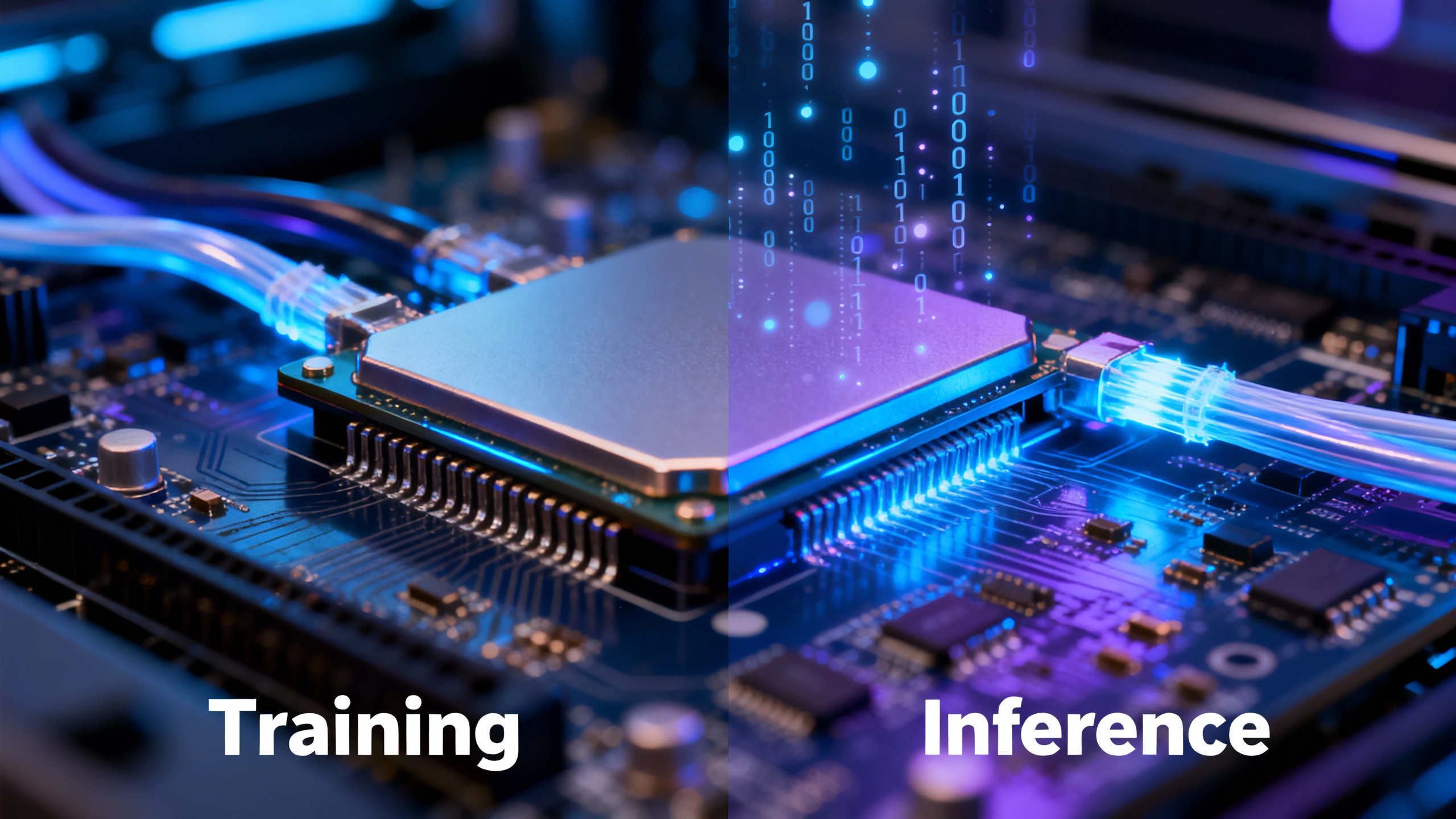
Nvidia licenses Groq to target AI inference and hires founder Jonathan Ross
Nvidia struck a non‑exclusive licensing deal for Groq’s high‑speed inference technology and is hiring Groq founder/CEO Jonathan Ross and other leaders. Multiple outlets report the arrangement is structured like an “acqui‑hire” without a full acquisition (widely cited near ~$20B), signaling Nvidia’s push to cut inference latency and cost as AI deployment scales. Why it matters: inference, not just training, is becoming the next profit and performance battleground for model providers and enterprises. Read our stand‑alone analysis.
- Early reactions from investors and analysts are mixed on price but positive on strategy; several firms reiterated Buy/Outperform views, noting the deal strengthens Nvidia’s inference stack while sidestepping antitrust risks.
China proposes rules for “emotionally interactive” AI services
China’s cyberspace regulator published draft rules aimed at AI systems that mimic human personalities and cultivate emotional bonds (e.g., chat companions). Providers would need to monitor usage, warn about over‑reliance, intervene on signs of distress or addiction, and meet strict content and privacy controls. Relevance: major consumer AI categories (companions, tutors, advisors) could face design changes and new compliance burdens in the world’s second‑largest market. Read our stand‑alone analysis.
ACCA halts remote exams amid AI cheating concerns
The Association of Chartered Certified Accountants (the world’s largest accounting body) will stop remote exams except in rare cases, citing AI‑enabled cheating and a “tipping point” for online proctoring. Implication: credentialing and compliance‑heavy industries may reset toward in‑person or locked‑down testing, with downstream effects on ed‑tech, proctoring vendors, and HR verification workflows. Read our stand‑alone analysis.
LG’s two‑armed home robot “CLOiD” to debut at CES 2026
LG teased a home assistant robot with dual articulated arms (seven degrees of freedom) and five‑finger hands, powered by sensing, on‑device compute, and the company’s “Affectionate Intelligence.” It’s positioned as a step toward a “Zero Labor Home.” For automation leads, it’s a concrete signal that dexterous, multi‑purpose home robotics is moving from demos to consumer showcases.
Nvidia discloses $5B Intel stake under prior agreement
A fresh filing shows Nvidia took a $5B stake in Intel via a previously arranged private placement, adding another layer to Big Tech’s chip‑ecosystem cross‑holdings. While not directly tied to AI products, it underscores intensifying strategic ties across compute, foundry capacity and accelerator roadmaps.
Emerging Trends
Inference becomes the AI scale bottleneck — and opportunity
- Signal: Nvidia–Groq licensing emphasizes real‑time, low‑latency inference as the next competitive front; analyst notes highlight cost/latency gains and a broader pivot to specialized architectures beyond GPUs.
- Impact: Expect more ASIC/accelerator partnerships, new SDKs targeting token‑per‑second throughput, and pricing pressure in inference‑as‑a‑service.
“Emotional AI” moves from novelty to regulated class
- Signal: China’s draft rules for emotionally‑interactive AI would require usage monitoring, addiction warnings, and content controls; similar scrutiny is rising globally for AI companions and coaches.
- Impact: Product teams building chat companions, tutors, or “digital friends” should anticipate design constraints (age gating, session limits, risk interventions) and new review workflows.
Credentials clamp down on AI‑assisted cheating
- Signal: ACCA’s decision to end remote exams in most cases follows mounting incidents and enforcement actions across professional testing.
- Impact: Enterprises that rely on certifications may face scheduling frictions and higher costs; proctoring vendors will need stronger AI attestation and monitoring capabilities.
Consumer‑grade dexterous robotics enters the chat
- Signal: LG’s two‑armed CLOiD preview ahead of CES indicates mainstream brands are ready to showcase multi‑purpose, manipulator‑equipped robots in homes — beyond delivery and vacuums.
- Impact: Watch for early pilot programs in eldercare, disability support, and home services; integration with vision‑language‑action (VLA) stacks could accelerate.
Content quality backlash intensifies
- Signal: “AI slop” dominated discourse this weekend; coverage points to low‑value AI content saturating feeds, risking trust erosion.
- Impact: Expect increased demand for provenance (C2PA), human editorial layers, and premium‑quality signals in distribution.
Conversations & Insights
Is Nvidia’s Groq pact an “acqui‑hire” end‑run — or smart inference hedge?
Where it’s happening: financial press, analyst notes, and forums. Key voices: Axios and Barron’s framed the deal as a de‑facto acquisition focused on inference; several banks reiterated Buy/Outperform; investor threads debated valuation and antitrust optics. Takeaway: regardless of structure, hyperscalers and platform players are racing to lock in inference IP and talent without formal M&A.
Data centers: overbuild warnings collide with AI demand
Where it’s happening: Axios report and investor letters. Key voices: VC Alex Davis warned of speculative, tenant‑less data center builds and potential energy/political blowback in 2027–2028. Takeaway: infra planners should prioritize contracted demand, grid partnerships, and location strategy as AI build‑outs face scrutiny.
Professional exams vs. generative cheating — a new status quo
Where it’s happening: UK business press; education and HR circles. Key voices: ACCA’s leadership cited AI’s pace outstripping remote‑proctoring safeguards. Takeaway: organizations may need to recalibrate hiring timelines and verification policies as more bodies restrict remote exams.
“AI slop” and the trust gap
Where it’s happening: MarketWatch commentary and industry voices. Key voices: coverage highlighted growing frustration with repetitive, low‑value AI output. Takeaway: for brands and publishers, quality assurance and provenance are differentiators; for platforms, it’s a content‑ranking and safety problem.
Quick Takeaways
- Inference is the new chokepoint: re‑assess your 2026 hardware roadmap and cloud commitments for latency‑sensitive workloads.
- If you operate or build “emotional AI,” start mapping compliance controls (age gating, session caps, risk detection) for China — and likely beyond.
- Expect tighter exam and certification controls in 2026; plan for in‑person testing logistics and stronger skill attestation in hiring.
- Household robotics is nearing consumer pilots; evaluate near‑term service use cases (eldercare, home assistance) and integration with VLA stacks.
Sources
- Axios — Nvidia–Groq shows why inference is next battleground; investor letter on data‑center overbuild.
- Barron’s — Investor questions on Groq deal valuation and strategic fit.
- TechCrunch — Nvidia to license Groq tech and hire CEO; not a full acquisition.
- Reuters — China’s draft rules for “emotionally interactive” AI; Nvidia’s $5B Intel stake filing.
- The Guardian — ACCA to halt remote exams over AI cheating.
- LG Newsroom, The Verge, Business Standard — LG CLOiD home robot preview.
- MarketWatch — “AI slop” content backlash.